Sep 14, 2026 Written by 

Listening and Incarnation

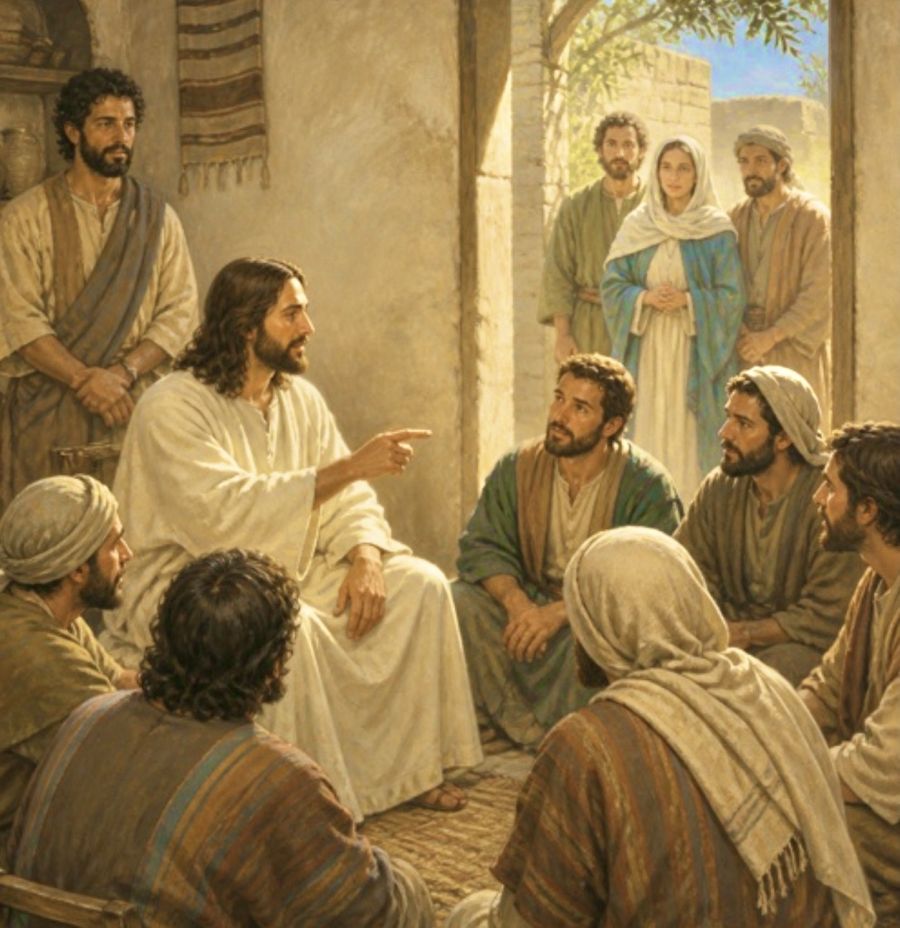
Jesus calls to reflect on who his mother and brothers are: «these who hear the Word of God and do it» (Lk 8:21).

Francis, who considered himself simple and idiotic, passionately loved the Word of God.

In fact, when he came across the Letters on the ground, he would pick them up and give them due consideration.

This is attested by the Sources, in the first letter (written by him) to the Keepers:

«Even the writings containing the names and words of the Lord, wherever they are found in inconvenient places, let them be collected and placed in a worthy place» (FF 242).

Clare herself, a little plant of the Seraphic Father, recalls in her Testament how much Francis loved and lived the Word, giving it as an example:

«The Son of God became our way; and this by word and example our blessed Father Francis, true lover and imitator of Him, showed and taught us» (FF 2824).

And to those who asked him if he was pleased that educated people should enter the Order, he replied:

«I have pleasure in it; provided, however, that, following the example of Christ, of whom we read not so much that he studied as that he prayed, they do not neglect to dedicate themselves to prayer, and provided they study not so much to know how they should speak, as to put into practice the things they have learned, and, only when they have put them into practice, propose them to others.

I want my brothers to be disciples of the Gospel and to progress in the knowledge of the truth, so that at the same time they may grow in the purity of simplicity» (FF 1188).

"And the principal reason why he revered the ministers of the Word of God was this: that they revive the offspring of their dead brother, that is, they revive Christ, who was crucified for sinners, when they convert them, being their guide with pious solicitude and solicitous piety.

He affirmed that this office of piety is more pleasing than any sacrifice to the Father of mercies, especially if it is fulfilled with zeal dictated by perfect charity, so that one labours in it more by example than by word, more by the tears of prayer than by the loquacity of speeches" (FF 1135).

"For he had never been a deaf hearer of the Gospel, but, entrusting everything he heard to a commendable memory, he sought with all diligence to follow it to the letter" (FF 357).


Tuesday of the 25th wk. in O.T. (Lk 8,19-21)

97 Last modified on Monday, 14 September 2026 05:43
Teresa Girolami

Teresa Girolami è laureata in Materie letterarie e Teologia. Ha pubblicato vari testi, fra cui: "Pellegrinaggio del cuore" (Ed. Piemme); "I Fiammiferi di Maria - La Madre di Dio in prosa e poesia"; "Tenerezza Scalza - Natura di donna"; co-autrice di "Dialogo e Solstizio".

Email This email address is being protected from spambots. You need JavaScript enabled to view it.
The Gospel of Matthew written in Hebrew or Aramaic is no longer extant, but in the Greek Gospel that we possess we still continue to hear, in a certain way, the persuasive voice of the publican Matthew, who, having become an Apostle, continues to proclaim God's saving mercy to us. And let us listen to St Matthew's message, meditating upon it ever anew also to learn to stand up and follow Jesus with determination (Pope Benedict)
Non abbiamo più il Vangelo scritto da Matteo in ebraico o in aramaico, ma nel Vangelo greco che abbiamo continuiamo a udire ancora, in qualche modo, la voce persuasiva del pubblicano Matteo che, diventato Apostolo, séguita ad annunciarci la salvatrice misericordia di Dio e ascoltiamo questo messaggio di san Matteo, meditiamolo sempre di nuovo per imparare anche noi ad alzarci e a seguire Gesù con decisione (Papa Benedetto)
That denarius clearly represents eternal life, a gift that God reserves for all. Indeed those who are considered the "last", if they accept, become the "first", whereas the "first" can risk becoming the "last" [Pope Benedict]
Quel denaro rappresenta la vita eterna, dono che Dio riserva a tutti. Anzi, proprio quelli che sono considerati "ultimi", se lo accettano, diventano "primi", mentre i "primi" possono rischiare di finire "ultimi" [Papa Benedetto]
The sower is Jesus. With this image, we can see that he presents himself as one who does not impose himself, but rather offers himself. He does not attract us by conquering us, but by donating himself: he casts seeds. With patience and generosity, he spreads his Word, which is not a cage or a trap, but a seed which can bear fruit (Pope Francis)
Il seminatore è Gesù. Notiamo che, con questa immagine, Egli si presenta come uno che non si impone, ma si propone; non ci attira conquistandoci, ma donandosi: butta il seme. Egli sparge con pazienza e generosità la sua Parola, che non è una gabbia o una trappola, ma un seme che può portare frutto (Papa Francesco)
The Church desires to give thanks to the Most Holy Trinity for the "mystery of woman" and for every woman - for that which constitutes the eternal measure of her feminine dignity, for the "great works of God", which throughout human history have been accomplished in and through her (Mulieris Dignitatem n.31)
La Chiesa desidera ringraziare la Santissima Trinità per il «mistero della donna», e, per ogni donna - per ciò che costituisce l'eterna misura della sua dignità femminile, per le «grandi opere di Dio» che nella storia delle generazioni umane si sono compiute in lei e per mezzo di lei (Mulieris Dignitatem n.31)
Simon, a Pharisee and rich 'notable' of the city, holds a banquet in his house in honour of Jesus. Unexpectedly from the back of the room enters a guest who was neither invited nor expected […] (Pope Benedict)
Simone, fariseo e ricco “notabile” della città, tiene in casa sua un banchetto in onore di Gesù. Inaspettatamente dal fondo della sala entra un’ospite non invitata né prevista […] (Papa Benedetto)
God excludes no one […] God does not let himself be conditioned by our human prejudices (Pope Benedict)
The “reading and meditation of the word of God root us more deeply in Christ and guide our ministry as servants of reconciliation, justice and peace” (second Synod for Africa, Propositio 46)
La lettura e la meditazione della Parola di Dio ci radicano più profondamente in Cristo e orientano il nostro ministero di servitori della riconciliazione, della giustizia e della pace (Secondo Sinodo per l’Africa, Propositio 46)

Due Fuochi due Vie - Vol. 1 Due Fuochi due Vie - Vol. 2 Due Fuochi due Vie - Vol. 3 Due Fuochi due Vie - Vol. 4 Due Fuochi due Vie - Vol. 5 Dialogo e Solstizio I fiammiferi di Maria

duevie.art

don Giuseppe Nespeca

Tel. 333-1329741


Disclaimer

Questo blog non rappresenta una testata giornalistica in quanto viene aggiornato senza alcuna periodicità. Non può pertanto considerarsi un prodotto editoriale ai sensi della legge N°62 del 07/03/2001.
Le immagini sono tratte da internet, ma se il loro uso violasse diritti d'autore, lo si comunichi all'autore del blog che provvederà alla loro pronta rimozione.
L'autore dichiara di non essere responsabile dei commenti lasciati nei post. Eventuali commenti dei lettori, lesivi dell'immagine o dell'onorabilità di persone terze, il cui contenuto fosse ritenuto non idoneo alla pubblicazione verranno insindacabilmente rimossi.







