Dialogo e Solstizio


Sep 21, 2026
26th Sunday in O.T.
Written by don Giuseppe Nespeca Published in Angolo della Pia donna
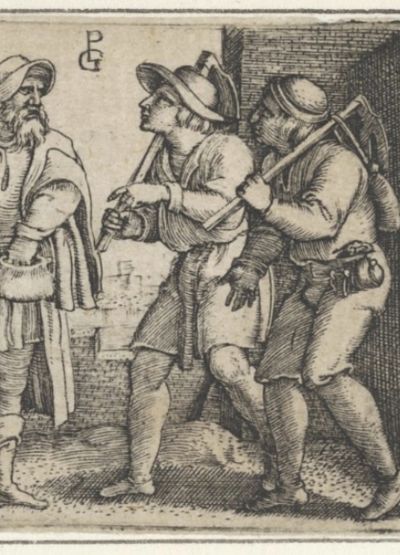
26th Sunday in Ordinary Time (year A) [27 September 2026] First Reading from the Book of the Prophet Ezekiel (18:25–28) To understand Ezekiel’s prophecy, we must recall the dramatic context…
69
Sep 16, 2026
25th Sunday in O.T.
Written by don Giuseppe Nespeca Published in Angolo della Pia donna
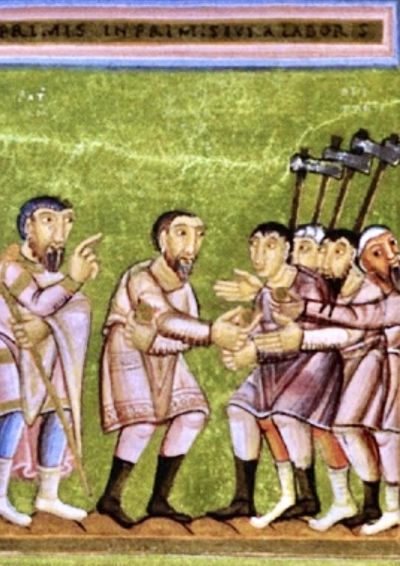
25th Sunday in Ordinary Time (year A) [20 September 2026] First Reading from the Book of the Prophet Isaiah (55:6–9) ‘Seek the Lord, for he is to be found.’ Isaiah’s…
94
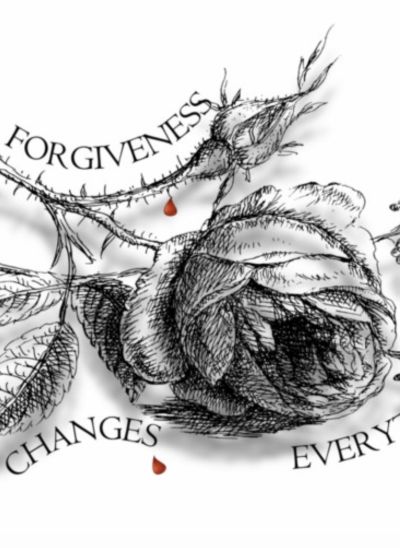
24th Sunday in Ordinary Time (year A) [13 September 2026] First Reading from the Book of Sirach (27:30–28:7) In the teachings of the wise Ben Sira, who lived around 180…
127
Aug 31, 2026
23rd Sunday in O.T.
Written by don Giuseppe Nespeca Published in Angolo della Pia donna
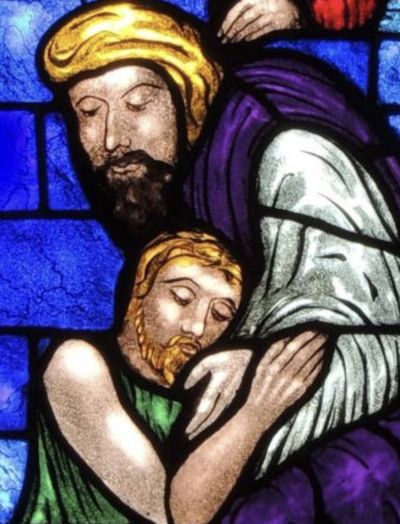
23rd Sunday in Ordinary Time (year A) [6 September 2026] First Reading from the Book of the Prophet Ezekiel (33:7–9) The prophet Ezekiel, a priest in Jerusalem in the 6th…
111
Aug 24, 2026
22nd Sunday in O.T.
Written by don Giuseppe Nespeca Published in Angolo della Pia donna
22nd Sunday in Ordinary Time (year A) [30 August 2026] First Reading from the Book of the Prophet Jeremiah (20:7–9). The central theme here is Jeremiah’s inner struggle: the fire…
171
Aug 18, 2026
21st Sunday in O.T.
Written by don Giuseppe Nespeca Published in Angolo della Pia donna
21st Sunday in Ordinary Time (year A) [23 August 2026] First Reading from the Book of the Prophet Isaiah (22:19–23) We are in Jerusalem around 700 BC, during the reign…
118
Aug 15, 2026
20th Sunday in O.T.
Written by don Giuseppe Nespeca Published in Angolo della Pia donna
20th Sunday in Ordinary Time (year A) [16 August 2026] First Reading from the Book of the Prophet Isaiah (56:1, 6–7) This passage, attributed to the so-called ‘Third Isaiah’, dates…
115
Aug 9, 2026
The Assumption of the Blessed Virgin Mary
Written by don Giuseppe Nespeca Published in Angolo della Pia donna
[15 August 2026] First Reading from the Book of Revelation (11:19a; 12:1–6a, 10a) For the early persecuted community, the entire Book of Revelation is a message of victory, rich in…
129
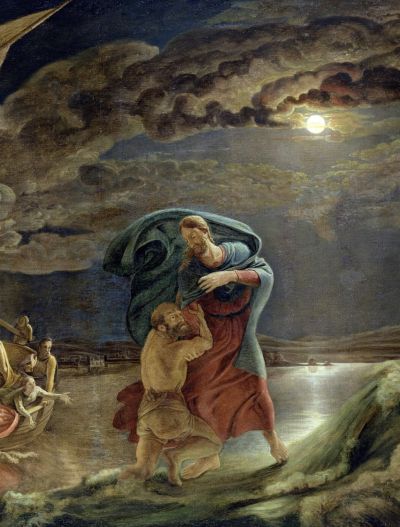
19th Sunday in Ordinary Time (year A) [9 August 2026] First Reading from the First Book of Kings (19:9a, 11–13a) In the 9th century BC, in the Kingdom of Israel,…
157
Aug 2, 2026
Transfiguration of the Lord
Written by don Giuseppe Nespeca Published in Angolo della Pia donna
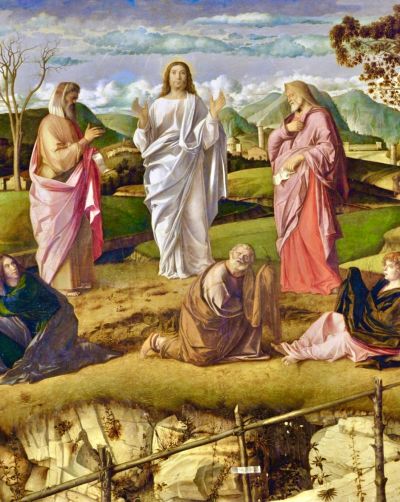
The Transfiguration of the Lord (year A) [6 August 2026] First Reading from the Book of the Prophet Daniel (7:9–10, 13–14) The text recounts a vision of the prophet Daniel,…
153
Jul 27, 2026
18th Sunday in O.T.
Written by don Giuseppe Nespeca Published in Angolo della Pia donna
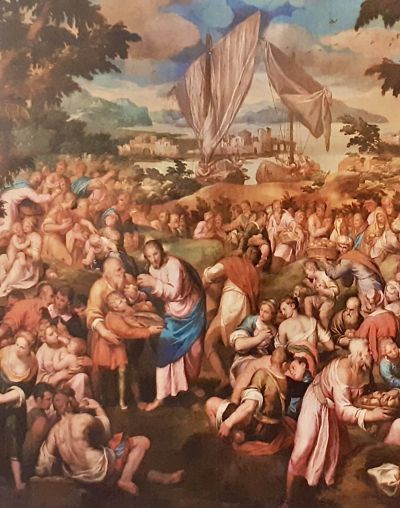
18th Sunday in Ordinary Time (Year A) [2 August 2016] First Reading from the Book of the Prophet Isaiah (55:1–3) We have reached the end of the second book of…
142
Jul 23, 2026
17th Sunday in O.T.
Written by don Giuseppe Nespeca Published in Angolo della Pia donna
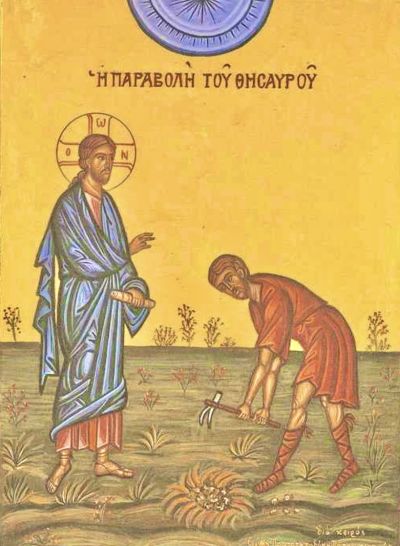
17th Sunday in Ordinary Time (year A) [26 July 2026] First Reading from the First Book of Kings (3:5, 7–12) This passage from the First Book of Kings recounts the…
164
Jul 15, 2026
16th Sunday in O.T.
Written by don Giuseppe Nespeca Published in Angolo della Pia donna
16th Sunday in Ordinary Time (year A) [19 July 2026] First Reading from the Book of Wisdom (12:3, 16–19) The Book of Wisdom, written in Greek by a Jew from…
151

15th Sunday in Ordinary Time (year A) [12 July 2026] First Reading from the Book of the Prophet Isaiah (55:10–11) The central theme of this passage is the image of…
186
Jun 30, 2026
14th Sunday in O.T.
Written by don Giuseppe Nespeca Published in Angolo della Pia donna
14th Sunday in Ordinary Time (year A) [5 July 2026] First Reading from the Book of the Prophet Zechariah (9:9–10) This text could be summarised as follows: for the prophet…
189
Jun 22, 2026
13th Sunday in O.T. and Solemnity of Saints Peter and Paul
Written by don Giuseppe Nespeca Published in Angolo della Pia donna
13th Sunday in Ordinary Time (year A) [28 June 2026] First Reading from the Second Book of Kings (4:8–11, 14–16a) Here is a brief overview of this Sunday’s biblical readings,…
217
Jun 15, 2026
12th Sunday in O.T.
Written by don Giuseppe Nespeca Published in Angolo della Pia donna
12th Sunday in Ordinary Time (year A) [21 June 2026] First reading from the Book of the Prophet Jeremiah (20:10–13) This passage is one of what are known as the…
275
Jun 11, 2026
11th Sunday in O.T.
Written by don Giuseppe Nespeca Published in Angolo della Pia donna
11th Sunday in Ordinary Time (year A) [14 June 2026] First Reading from the Book of Exodus (19:2–6a) This passage from Exodus describes the moment when God is about to…
241
Solemnity of Corpus Christi [7 June 2026] First reading from the Book of Deuteronomy (8:2–3, 14b–16) The text calls on the people of Israel to remember their long journey through…
305
Solemnity of the Most Holy Trinity (year A) [31 May 2026] First Reading from the Book of Exodus (34:4–6, 8–9) The text presents one of the most precious moments of…
269
We too, to reach a more conscious confession of Jesus Christ must follow, like Peter, a path made of attentive, caring listening (Pope John Paul II)
Anche noi per giungere a una più consapevole confessione di Gesù Cristo dobbiamo percorrere, come Pietro, un cammino fatto di ascolto attento, premuroso (Papa Giovanni Paolo II)
It is a word that must be witnessed to and proclaimed explicitly, because without a consistent witness it proves to be less comprehensible and credible [Pope Benedict]
E’ una Parola che deve essere testimoniata e proclamata esplicitamente, perché senza una testimonianza coerente essa risulta meno comprensibile e credibile [Papa Benedetto]
The “reading and meditation of the word of God root us more deeply in Christ and guide our ministry as servants of reconciliation, justice and peace” (second Synod for Africa, Propositio 46)
La lettura e la meditazione della Parola di Dio ci radicano più profondamente in Cristo e orientano il nostro ministero di servitori della riconciliazione, della giustizia e della pace (Secondo Sinodo per l’Africa, Propositio 46)
The Gospel of Matthew written in Hebrew or Aramaic is no longer extant, but in the Greek Gospel that we possess we still continue to hear, in a certain way, the persuasive voice of the publican Matthew, who, having become an Apostle, continues to proclaim God's saving mercy to us. And let us listen to St Matthew's message, meditating upon it ever anew also to learn to stand up and follow Jesus with determination (Pope Benedict)
Non abbiamo più il Vangelo scritto da Matteo in ebraico o in aramaico, ma nel Vangelo greco che abbiamo continuiamo a udire ancora, in qualche modo, la voce persuasiva del pubblicano Matteo che, diventato Apostolo, séguita ad annunciarci la salvatrice misericordia di Dio e ascoltiamo questo messaggio di san Matteo, meditiamolo sempre di nuovo per imparare anche noi ad alzarci e a seguire Gesù con decisione (Papa Benedetto)
That denarius clearly represents eternal life, a gift that God reserves for all. Indeed those who are considered the "last", if they accept, become the "first", whereas the "first" can risk becoming the "last" [Pope Benedict]
Quel denaro rappresenta la vita eterna, dono che Dio riserva a tutti. Anzi, proprio quelli che sono considerati "ultimi", se lo accettano, diventano "primi", mentre i "primi" possono rischiare di finire "ultimi" [Papa Benedetto]
The sower is Jesus. With this image, we can see that he presents himself as one who does not impose himself, but rather offers himself. He does not attract us by conquering us, but by donating himself: he casts seeds. With patience and generosity, he spreads his Word, which is not a cage or a trap, but a seed which can bear fruit (Pope Francis)
Il seminatore è Gesù. Notiamo che, con questa immagine, Egli si presenta come uno che non si impone, ma si propone; non ci attira conquistandoci, ma donandosi: butta il seme. Egli sparge con pazienza e generosità la sua Parola, che non è una gabbia o una trappola, ma un seme che può portare frutto (Papa Francesco)
The Church desires to give thanks to the Most Holy Trinity for the "mystery of woman" and for every woman - for that which constitutes the eternal measure of her feminine dignity, for the "great works of God", which throughout human history have been accomplished in and through her (Mulieris Dignitatem n.31)
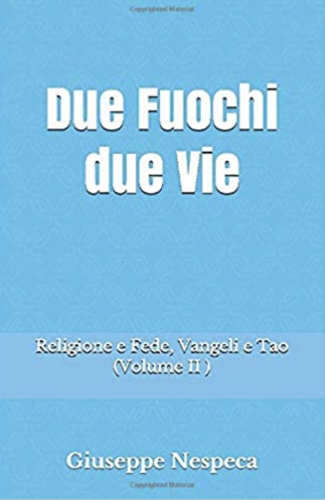
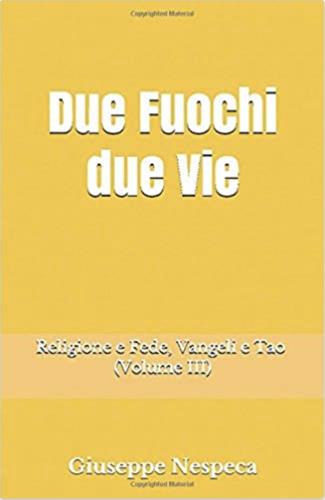
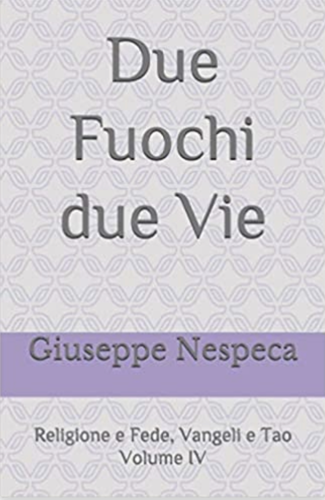
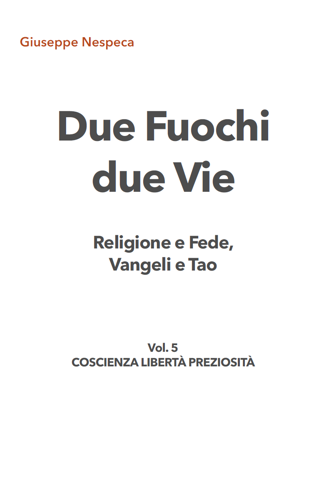
duevie.art
don Giuseppe Nespeca
Tel. 333-1329741
Disclaimer
Questo blog non rappresenta una testata giornalistica in quanto viene aggiornato senza alcuna periodicità. Non può pertanto considerarsi un prodotto editoriale ai sensi della legge N°62 del 07/03/2001.
Le immagini sono tratte da internet, ma se il loro uso violasse diritti d'autore, lo si comunichi all'autore del blog che provvederà alla loro pronta rimozione.
L'autore dichiara di non essere responsabile dei commenti lasciati nei post. Eventuali commenti dei lettori, lesivi dell'immagine o dell'onorabilità di persone terze, il cui contenuto fosse ritenuto non idoneo alla pubblicazione verranno insindacabilmente rimossi.