Mar 13, 2026 Written by 

As this man speaks: the primacy of the conscience of the plebs

(Jn 7:40-53)


In the Gospel passage, the religious authorities judge everyone with contempt.

Anyone who has always imagined himself as master will not be willing to make himself a disciple of a subversive Revelation.

While the élite marginalizes Christ, even the gendarmerie commanded to perpetuate and oversee the world’s security is amazed by the power of the new Word-Person.

The Lord replaces the Torah (vv.37-38). And whoever comes into contact with the new Temple is guided by the intimate ‘root’ that he has in his womb: and he wants to recognize it, inside.

He himself becomes a bubbling Sanctuary, which begins to think and act in conscience - starting from its core [suffocated perhaps, but indestructible].

A lesson in thinking ‘from below’, given to "superiors". Example that re-evaluates the theological judgment of the impious plebs (v.49).

And it is curious that the disobedience saving Christ [present in his faithful] originates from the lack of minute knowledge of the Law.


There is a great confusion of opinions regarding Jesus among the people.

For the groups that have established the tyranny of norms, its unforeseen origin - non-mysterious nor overwhelming - is difficult to intend - unacceptable for calibrated thinking.

Some believe him to be the “son of David”, others a Prophet; a deceiver or a good man (v.12) or someone who has ‘no education’ (v.15).

The point is that He does not come to impose the outdated discipline again, nor to patch up its customs.

Not even to purify the Temple, renewing its propitiatory practice.

Christ supplants it with the «now» of Reality that reveals an inconceivable God’s Face, which is grasped and expanded even from within each of us.

It is by no means the quiet reconfirmation of the usual things.


Tradition [written and oral] boasts deep-rooted arguments, but its fame causes confusion and hard confrontation between opposing supporters.

There is never anything Exceptional in all of this.

But in the depths of each one dwells a ‘naturalness that teaches’, even to the masters of the paradigm.

Spontaneity will not lead us to the weak defense of Jesus made by Nicodemus (vv.51-53) who relies on another obvious law to save the situation.


When you stop wanting to be just addicted - comes the amazement, the God’s vertigo; different interests.

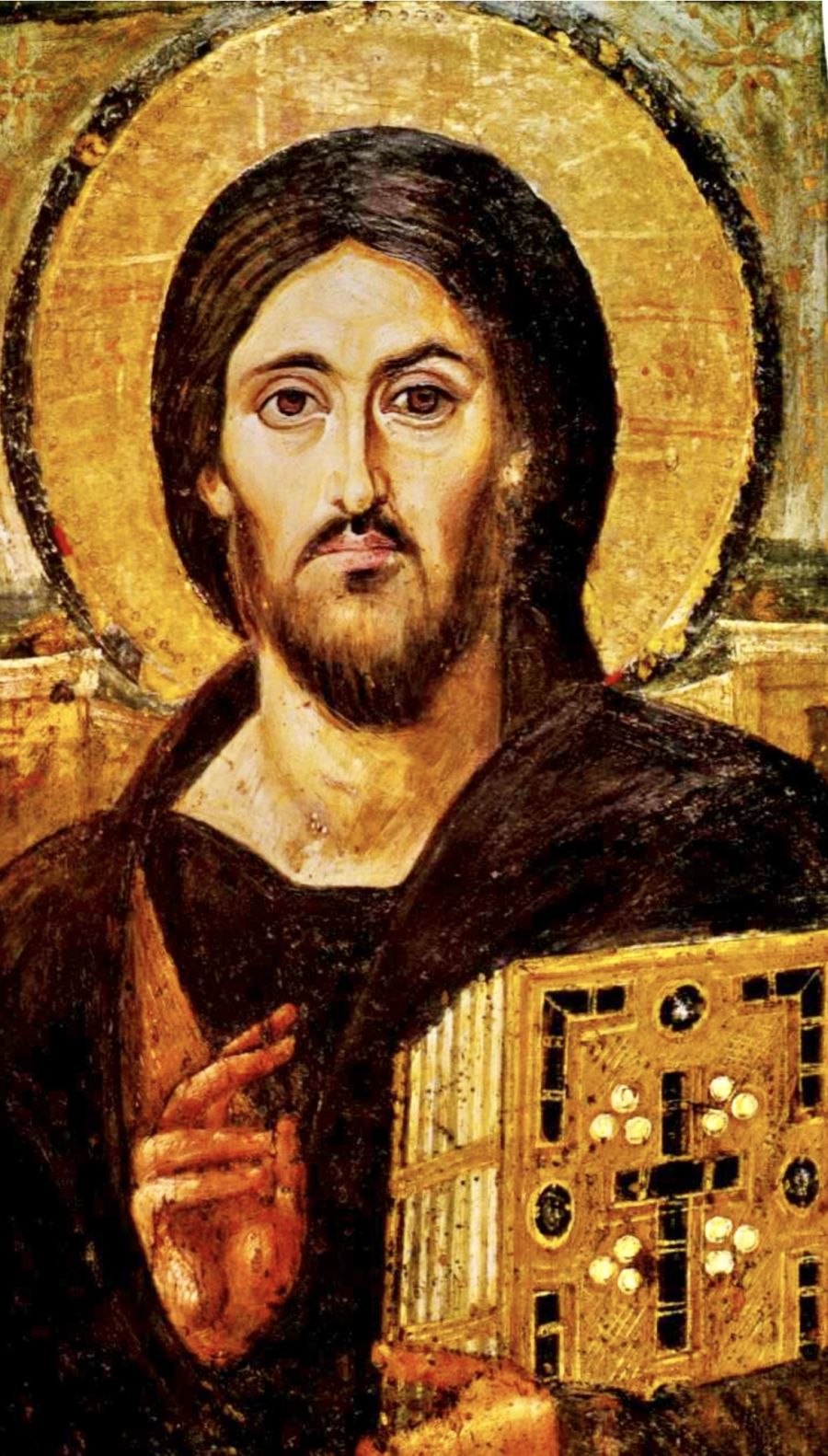
The Christ-icon of Jn 7 wants to develop in us the image and innate talent of the spirit’ teacher who simply draws from the personal experience of the Father, of himself, of the reality.

We should not expect true answers come from someone outside, rated more experienced - to whom instead have (we) to teach the New that comes to save us.

The Vocation by Name is entrusted to the unknown Rabbi who already lives in us - and wants to emerge, expressing the divine unconscious already present.

The indispensable Gold, without induced mental burdens: only in conscience and character.


[Saturday 4th wk. in Lent, March 21, 2026]

206 Last modified on Friday, 13 March 2026 03:23
don Giuseppe Nespeca

Giuseppe Nespeca è architetto e sacerdote. Cultore della Sacra scrittura è autore della raccolta "Due Fuochi due Vie - Religione e Fede, Vangeli e Tao"; coautore del libro "Dialogo e Solstizio".

The people thought that Jesus was a prophet. This was not wrong, but it does not suffice; it is inadequate. In fact, it was a matter of delving deep, of recognizing the uniqueness of the person of Jesus of Nazareth and his newness. This is how it still is today: many people draw near to Jesus, as it were, from the outside (Pope Benedict)
La gente pensa che Gesù sia un profeta. Questo non è falso, ma non basta; è inadeguato. Si tratta, in effetti, di andare in profondità, di riconoscere la singolarità della persona di Gesù di Nazaret, la sua novità. Anche oggi è così: molti accostano Gesù, per così dire, dall’esterno (Papa Benedetto)
Because of this unique understanding, Jesus can present himself as the One who revealsr the Father with a knowledge that is the fruit of an intimate and mysterious reciprocity (John Paul II)
In forza di questa singolare intesa, Gesù può presentarsi come il rivelatore del Padre, con una conoscenza che è frutto di un'intima e misteriosa reciprocità (Giovanni Paolo II)
Yes, all the "miracles, wonders and signs" of Christ are in function of the revelation of him as Messiah, of him as the Son of God: of him who alone has the power to free man from sin and death. Of him who is truly the Savior of the world (John Paul II)
Sì, tutti i “miracoli, prodigi e segni” di Cristo sono in funzione della rivelazione di lui come Messia, di lui come Figlio di Dio: di lui che, solo, ha il potere di liberare l’uomo dal peccato e dalla morte. Di lui che veramente è il Salvatore del mondo (Giovanni Paolo II)
It is known that faith is man's response to the word of divine revelation. The miracle takes place in organic connection with this revealing word of God. It is a "sign" of his presence and of his work, a particularly intense sign (John Paul II)
È noto che la fede è una risposta dell’uomo alla parola della rivelazione divina. Il miracolo avviene in legame organico con questa parola di Dio rivelante. È un “segno” della sua presenza e del suo operare, un segno, si può dire, particolarmente intenso (Giovanni Paolo II)
In the rite of Baptism, the presentation of the candle lit from the large Paschal candle, a symbol of the Risen Christ, is a sign that helps us to understand what happens in the Sacrament. When our lives are enlightened by the mystery of Christ, we experience the joy of being liberated from all that threatens the full realization (Pope Benedict)
Nel rito del Battesimo, la consegna della candela, accesa al grande cero pasquale simbolo di Cristo Risorto, è un segno che aiuta a cogliere ciò che avviene nel Sacramento. Quando la nostra vita si lascia illuminare dal mistero di Cristo, sperimenta la gioia di essere liberata da tutto ciò che ne minaccia la piena realizzazione (Papa Benedetto)
Doing a good deed almost instinctively gives rise to the desire to be esteemed and admired for the good action, in other words to gain a reward. And on the one hand this closes us in on ourselves and on the other, it brings us out of ourselves because we live oriented to what others think of us or admire in us (Pope Benedict)
Quando si compie qualcosa di buono, quasi istintivamente nasce il desiderio di essere stimati e ammirati per la buona azione, di avere cioè una soddisfazione. E questo, da una parte rinchiude in se stessi, dall’altra porta fuori da se stessi, perché si vive proiettati verso quello che gli altri pensano di noi e ammirano in noi (Papa Benedetto)
Each of us can discover in Joseph – the man who goes unnoticed, a daily, discreet and hidden presence – an intercessor, a support and a guide in times of trouble [Patris Corde, intr.]

Due Fuochi due Vie - Vol. 1 Due Fuochi due Vie - Vol. 2 Due Fuochi due Vie - Vol. 3 Due Fuochi due Vie - Vol. 4 Due Fuochi due Vie - Vol. 5 Dialogo e Solstizio I fiammiferi di Maria

duevie.art

don Giuseppe Nespeca

Tel. 333-1329741


Disclaimer

Questo blog non rappresenta una testata giornalistica in quanto viene aggiornato senza alcuna periodicità. Non può pertanto considerarsi un prodotto editoriale ai sensi della legge N°62 del 07/03/2001.
Le immagini sono tratte da internet, ma se il loro uso violasse diritti d'autore, lo si comunichi all'autore del blog che provvederà alla loro pronta rimozione.
L'autore dichiara di non essere responsabile dei commenti lasciati nei post. Eventuali commenti dei lettori, lesivi dell'immagine o dell'onorabilità di persone terze, il cui contenuto fosse ritenuto non idoneo alla pubblicazione verranno insindacabilmente rimossi.







