Jul 17, 2026 Written by 

The manifestations of God's power on earth: nothing external

Which road leads to the Father?

(Mt 12:38-42)


Human correspondence does not grow with the multiplication of dizzying signals. God does not force the unconvinced, nor outclass with proofs; thus He earns a patrimony of love.

His authentic Church, without clamor or persuasive positions - apparently insignificant - is gathered entirely in intimate unity with her Lord.

The Queen of the South was looking for captivating solutions to enigmatic curiosities, but she could know them inside her soul and life.

Incarnation: there are no other valid signs than the events and new relationships with oneself and others - which offer the very and unheard-of Person of the Risen One, without wrappings.


The Eternal is no longer the pure transcendence of the Jews, nor the summit of the wisdom of the ancient world: the moving Sign of God is the story of Jesus alive in us.

We trust in Christ, so no more spiritual drugs that deceive us about happiness.

It is the meaning of the new Creation: abandonment to the Spirit, but all concrete (not in a manner) and which proceeds by dragging the alternative reality.

He is the Sign unique, who frees from the many substitutes of fears’ religion, of fetters, of consolidated roles that would like to imprison the Lord in an "ally" doer of seductive miracles, immediately resolving.


Some community members seemed to want to frame the Messiah into the pattern of normal sacred and scenic expectations.

They were already getting along with the world, starting to recede, and were proving fed up...

In these "veterans" of Mt there was no sign of conversion to the idea of ​​the Son of God as a Servant, confident in dreams without prestige.

In them? No trace of a new idea - nor change of pace that could mark the end of the blatant, dehumanizing society they were used to.


There are always those who remain tied to an ideology of power. So they do not want to open their eyes except to have their senses captured in a trivial way.

For these, the Lord never reserves impressive confirmations - which would be the paradoxical validation of ancient convictions.

The only «sign» is his living Church and the Risen himself pulsating in all those who take him seriously; eg. in recoveries, healings, and impossible revaluations.

But no shortcut lightning.


Guided by the intimate Friend, we will be a single inventive humanity ‘in the Master’.

Our free and life-giving testimony will nourish an experience of regenerating Faith, singularly incisive.

Far more than miracles, the appeals of our essence and reality will make us recognize the call and action of God in men and in the web of history.

The Father wants his sons to produce far more astonishment and prodigies of divine-human goodness than visions and sentimentality, or magic.

The only «sign» of salvation is Christ in us, without hysterical seams; image and likeness of the new humanity.


For authentic conversion: native power - and nothing external.


[Monday 16th wk. in O.T.  July 20, 2026]

106 Last modified on Monday, 20 July 2026 12:29
don Giuseppe Nespeca

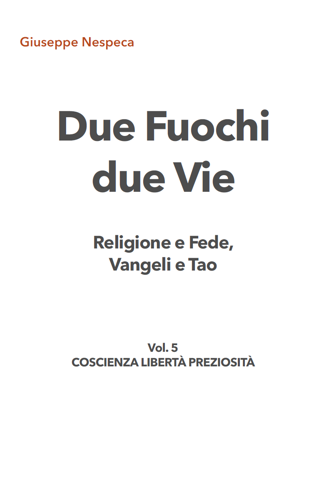
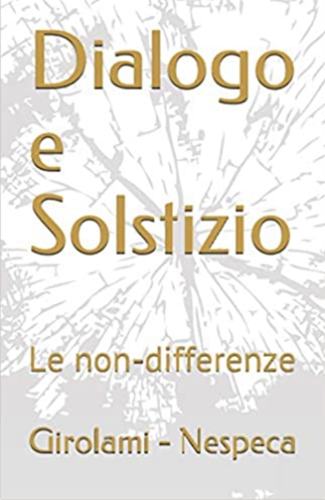
Giuseppe Nespeca è architetto e sacerdote. Cultore della Sacra scrittura è autore della raccolta "Due Fuochi due Vie - Religione e Fede, Vangeli e Tao"; coautore del libro "Dialogo e Solstizio".

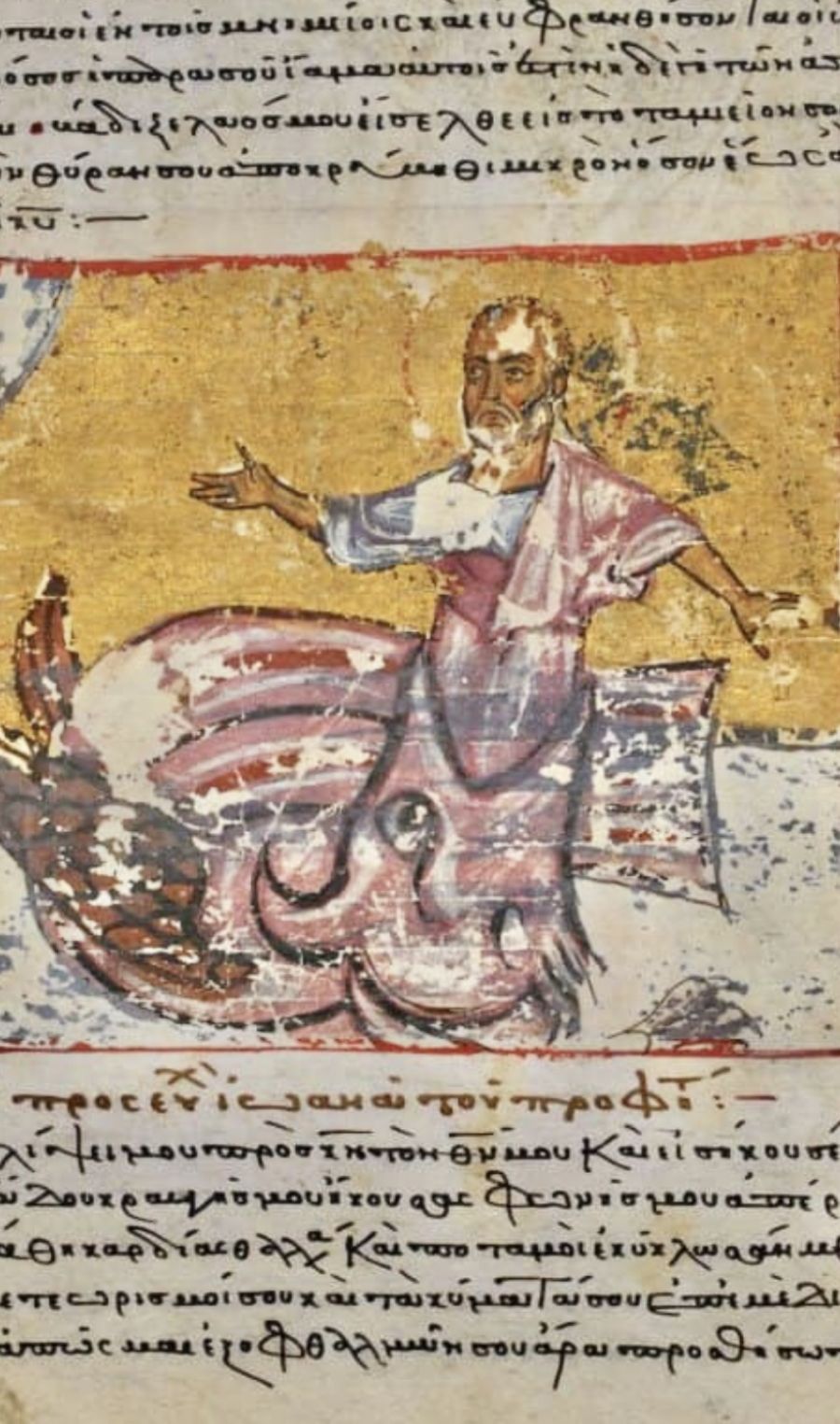
Jesus invites us to discern the words and deeds which bear witness to the imminent coming of the Father’s kingdom. Indeed, he indicates and concentrates all the signs in the enigmatic “sign of Jonah”. By doing so, he overturns the worldly logic aimed at seeking signs that would confirm the human desire for self-affirmation and power (Pope John Paul II)
Gesù invita al discernimento in rapporto alle parole ed opere, che testimoniano l'imminente avvento del Regno del Padre. Anzi, Egli indirizza e concentra tutti i segni nell'enigmatico "segno di Giona". E con ciò rovescia la logica mondana tesa a cercare segni che confermino il desiderio di autoaffermazione e di potenza dell'uomo (Papa Giovanni Paolo II)
In reality, an abstract, distant god is more comfortable, one that doesn’t get himself involved in situations and who accepts a faith that is far from life, from problems, from society. Or we would even like to believe in a ‘special effects’ god (Pope Francis)
In realtà, è più comodo un dio astratto, distante, che non si immischia nelle situazioni e che accetta una fede lontana dalla vita, dai problemi, dalla società. Oppure ci piace credere a un dio “dagli effetti speciali” (Papa Francesco)
It is as though you were given a parcel with a gift inside and, rather than going to open the gift, you look only at the paper it is wrapped in: only appearances, the form, and not the core of the grace, of the gift that is given! (Pope Francis)
È come se a te regalassero un pacchetto con dentro un dono e tu, invece di andare a cercare il dono, guardi soltanto la carta nel quale è incartato: soltanto le apparenze, la forma, e non il nocciolo della grazia, del dono che viene dato! (Papa Francesco)
The Lord has our good at heart, that is, that every person should have life, and that especially the "least" of his children may have access to the banquet he has prepared for all (Pope Benedict)
Al Signore sta a cuore il nostro bene, cioè che ogni uomo abbia la vita, e che specialmente i suoi figli più "piccoli" possano accedere al banchetto che lui ha preparato per tutti (Papa Benedetto)
This Parable of the Sower is somewhat the ‘mother’ of all parables […] Such is the heart of God! Each one of us is ground on which the seed of the Word falls; no one is excluded! [Pope Francis]
Questa del seminatore è un po’ la “madre” di tutte le parabole […] Così è il cuore di Dio! Ognuno di noi è un terreno su cui cade il seme della Parola, nessuno è escluso [Papa Francesco]
Are we not perhaps all afraid in some way? If we let Christ enter fully into our lives, if we open ourselves totally to him, are we not afraid that He might take something away from us? Are we not perhaps afraid to give up something significant, something unique, something that makes life so beautiful? Do we not then risk ending up diminished and deprived of our freedom? (Pope Benedict)
Non abbiamo forse tutti in qualche modo paura - se lasciamo entrare Cristo totalmente dentro di noi, se ci apriamo totalmente a lui – paura che Egli possa portar via qualcosa della nostra vita? Non abbiamo forse paura di rinunciare a qualcosa di grande, di unico, che rende la vita così bella? Non rischiamo di trovarci poi nell’angustia e privati della libertà? (Papa Benedetto)
«Is there an attitude for those who want to follow Jesus» so that «they do not end badly, that they do not end up eaten alive - as my mother used to say: "Eat raw" - by others»? (Pope Francis)

Due Fuochi due Vie - Vol. 1 Due Fuochi due Vie - Vol. 2 Due Fuochi due Vie - Vol. 3 Due Fuochi due Vie - Vol. 4 Due Fuochi due Vie - Vol. 5 Dialogo e Solstizio I fiammiferi di Maria

duevie.art

don Giuseppe Nespeca

Tel. 333-1329741


Disclaimer

Questo blog non rappresenta una testata giornalistica in quanto viene aggiornato senza alcuna periodicità. Non può pertanto considerarsi un prodotto editoriale ai sensi della legge N°62 del 07/03/2001.
Le immagini sono tratte da internet, ma se il loro uso violasse diritti d'autore, lo si comunichi all'autore del blog che provvederà alla loro pronta rimozione.
L'autore dichiara di non essere responsabile dei commenti lasciati nei post. Eventuali commenti dei lettori, lesivi dell'immagine o dell'onorabilità di persone terze, il cui contenuto fosse ritenuto non idoneo alla pubblicazione verranno insindacabilmente rimossi.