Jul 19, 2026 Written by 

The Church is imperceptible beginning, not extraordinary term

(Mt 13:31-35)


Jesus helps people to discover the things of God and man in everyday life.

The Master teaches that the extraordinary of the eternal world is hidden in ordinary things: life itself is a transparency of the Mystery.

He reveals the Kingdom becoming Present, describing precisely the essential characteristics of the community of disciples - and using here the simple comparisons of the «mustard seed» and the «leaven».

To say: the authentic Church is within reach of everyone, everywhere - nonetheless exiguous; inapparent, yet intimately dynamic.

In it, we experience a contrast between beginnings and term: we experience the Kingdom 'within' each one that welcomes the character of an inapparent Word-event, but one that activates transformative and hospitable capacities.


The first term of comparison related to the life of the people [the little seed] mentions the story of a very small grain: a common concrete event, which is not very noticeable.

Around the Lake of Galilee, mustard shrubs can reach a maximum height of 3 metres, no more.

It is not the same development as the majestic cedars of Lebanon - rather of just any small tree in the kitchen garden (v.32), however, capable of giving a little refreshment to the birds that take refuge there.

It indicates a presence of little fuss: quite normal, mixed in with aubergines, courgettes and cucumbers...

Nothing big, yet hospitable to those suffering from the powerful heat of those places.

In short, the fraternities that the Lord dreams of will have nothing magnificent and outward, but they will know how to give shelter and rest.


The strength of the «mustard speck» is intimate, yet strong-willed: it will grow - though not by much.

That is, the authentic Church should not resemble a majestic ocean liner.

Maybe it will be more like a small barque: no big deal - yet it will raise hopes of life.

It will do so through the discreet witness of amiable evangelisers, who still proclaim and work, radiating light, captivating people.

Whoever approaches the threshold of the churches - the reference is to the distant and pagan - must feel at ease, at home.

Even the 'wanderers' will be fully entitled to take up their position and build their nest [in such a common Abode] even if they then decide to take flight again as soon as they have used it.


The next comparison - of the «leaven» (v.33) - insists on caring for the life goals of other brethren, with respect to the Community of believers.

In this way, it is called to be a sign of the Father's concern for all his sons.

The leaven is not useful to itself, but to the mass.

Likewise, the Church shall not serve itself; it will not be concerned with its own celebration and development [material, or with a view to proselytism; and so on].

Every Fraternity in Christ is a function of people's lives alone, where and how they are - just as they are.


To internalize and live the message:


What seed had you neglected because of its smallness, and then it turned out to be essential for your growth and the needs of others as well?


[Lunedì 17.a sett. T.O.   27 luglio 2026]

386 Last modified on Monday, 27 July 2026 12:00
don Giuseppe Nespeca

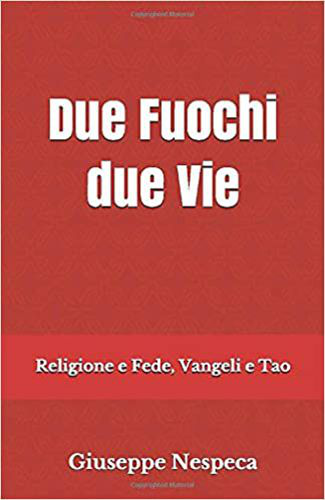
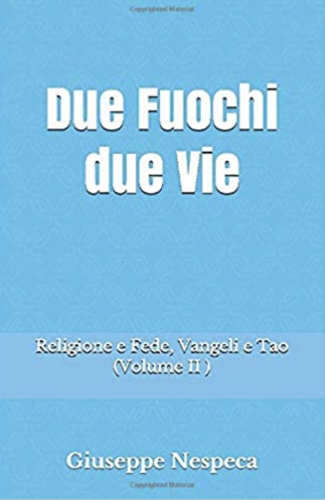
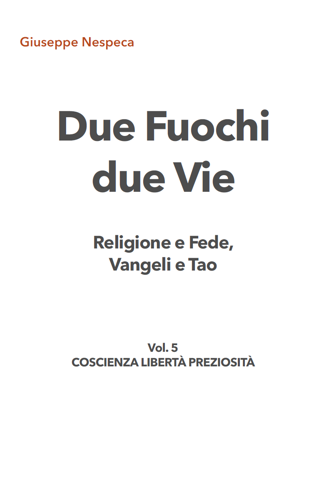
Giuseppe Nespeca è architetto e sacerdote. Cultore della Sacra scrittura è autore della raccolta "Due Fuochi due Vie - Religione e Fede, Vangeli e Tao"; coautore del libro "Dialogo e Solstizio".

The Gospel of Matthew written in Hebrew or Aramaic is no longer extant, but in the Greek Gospel that we possess we still continue to hear, in a certain way, the persuasive voice of the publican Matthew, who, having become an Apostle, continues to proclaim God's saving mercy to us. And let us listen to St Matthew's message, meditating upon it ever anew also to learn to stand up and follow Jesus with determination (Pope Benedict)
Non abbiamo più il Vangelo scritto da Matteo in ebraico o in aramaico, ma nel Vangelo greco che abbiamo continuiamo a udire ancora, in qualche modo, la voce persuasiva del pubblicano Matteo che, diventato Apostolo, séguita ad annunciarci la salvatrice misericordia di Dio e ascoltiamo questo messaggio di san Matteo, meditiamolo sempre di nuovo per imparare anche noi ad alzarci e a seguire Gesù con decisione (Papa Benedetto)
That denarius clearly represents eternal life, a gift that God reserves for all. Indeed those who are considered the "last", if they accept, become the "first", whereas the "first" can risk becoming the "last" [Pope Benedict]
Quel denaro rappresenta la vita eterna, dono che Dio riserva a tutti. Anzi, proprio quelli che sono considerati "ultimi", se lo accettano, diventano "primi", mentre i "primi" possono rischiare di finire "ultimi" [Papa Benedetto]
The sower is Jesus. With this image, we can see that he presents himself as one who does not impose himself, but rather offers himself. He does not attract us by conquering us, but by donating himself: he casts seeds. With patience and generosity, he spreads his Word, which is not a cage or a trap, but a seed which can bear fruit (Pope Francis)
Il seminatore è Gesù. Notiamo che, con questa immagine, Egli si presenta come uno che non si impone, ma si propone; non ci attira conquistandoci, ma donandosi: butta il seme. Egli sparge con pazienza e generosità la sua Parola, che non è una gabbia o una trappola, ma un seme che può portare frutto (Papa Francesco)
The Church desires to give thanks to the Most Holy Trinity for the "mystery of woman" and for every woman - for that which constitutes the eternal measure of her feminine dignity, for the "great works of God", which throughout human history have been accomplished in and through her (Mulieris Dignitatem n.31)
La Chiesa desidera ringraziare la Santissima Trinità per il «mistero della donna», e, per ogni donna - per ciò che costituisce l'eterna misura della sua dignità femminile, per le «grandi opere di Dio» che nella storia delle generazioni umane si sono compiute in lei e per mezzo di lei (Mulieris Dignitatem n.31)
Simon, a Pharisee and rich 'notable' of the city, holds a banquet in his house in honour of Jesus. Unexpectedly from the back of the room enters a guest who was neither invited nor expected […] (Pope Benedict)
Simone, fariseo e ricco “notabile” della città, tiene in casa sua un banchetto in onore di Gesù. Inaspettatamente dal fondo della sala entra un’ospite non invitata né prevista […] (Papa Benedetto)
God excludes no one […] God does not let himself be conditioned by our human prejudices (Pope Benedict)
The “reading and meditation of the word of God root us more deeply in Christ and guide our ministry as servants of reconciliation, justice and peace” (second Synod for Africa, Propositio 46)
La lettura e la meditazione della Parola di Dio ci radicano più profondamente in Cristo e orientano il nostro ministero di servitori della riconciliazione, della giustizia e della pace (Secondo Sinodo per l’Africa, Propositio 46)

Due Fuochi due Vie - Vol. 1 Due Fuochi due Vie - Vol. 2 Due Fuochi due Vie - Vol. 3 Due Fuochi due Vie - Vol. 4 Due Fuochi due Vie - Vol. 5 Dialogo e Solstizio I fiammiferi di Maria

duevie.art

don Giuseppe Nespeca

Tel. 333-1329741


Disclaimer

Questo blog non rappresenta una testata giornalistica in quanto viene aggiornato senza alcuna periodicità. Non può pertanto considerarsi un prodotto editoriale ai sensi della legge N°62 del 07/03/2001.
Le immagini sono tratte da internet, ma se il loro uso violasse diritti d'autore, lo si comunichi all'autore del blog che provvederà alla loro pronta rimozione.
L'autore dichiara di non essere responsabile dei commenti lasciati nei post. Eventuali commenti dei lettori, lesivi dell'immagine o dell'onorabilità di persone terze, il cui contenuto fosse ritenuto non idoneo alla pubblicazione verranno insindacabilmente rimossi.