Aug 15, 2026 Written by 

«Who Am I to you» and the Keys to the open community

(Mt 16:13-20)


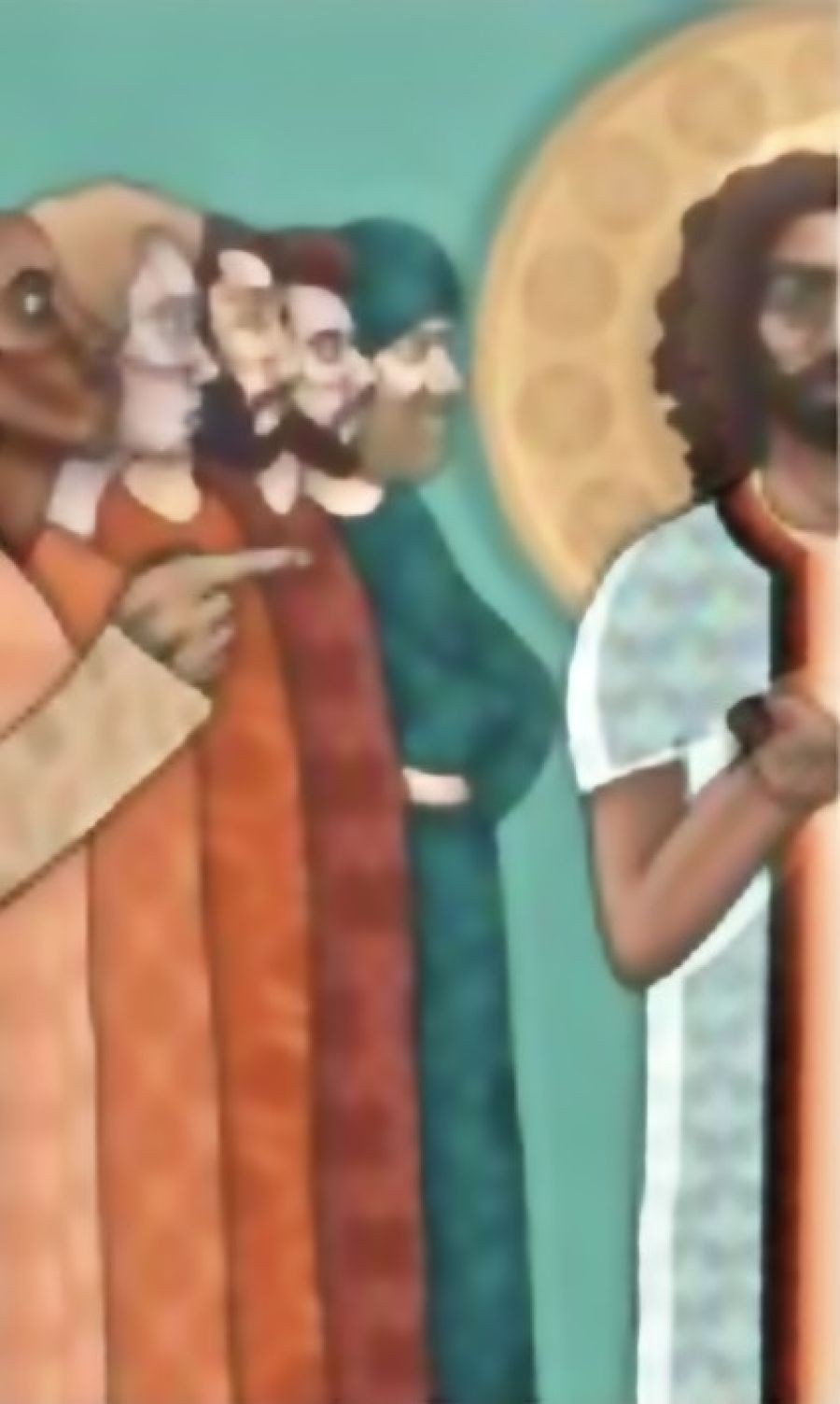
Over half of his public life, Jesus has not yet given formulas, but He raises a demanding question - which claims to ask us much more than the usual expressions with a legal structure.

The crowd may have approached Him to eminent characters such as the Baptist [the one who proved to be alien to courtiers] or Elijah [for his activity of denouncing idols] or Jeremiah [the opponent of the blessings’ sale].

But He did not come - like ancient prophets - to improve the situation or to regret and mend devotions, nor to purify the Temple, but to replace it!

The images of tradition depict Christ in many ways (for atheists a philanthropist), the most widespread of which is still that of an ancient Lord, guarantor of conventional behavior.

Instead - to make us reflect - He takes the disciples to a construction site environment [north of Palestine, Caesarea Philippi was under construction], far from the interested nomenclature of the "holy" City.


Common mentality evaluated the life’ success - and the truth of a religion - on the basis of glory, domination, enrichment, and security in general.

The question that Jesus rises his disciples leaks a novelty that supplants the whole system: the Call is addressed to every single person.

It is a border proposal, like the symbolic geographical place of the capital of the reign of Philip, one of the three heir sons of Herod the Great: in Palestine, the farthest point from the center of conformist religiosity.

The Face of the «Son of man» is recognizable only by placing maximum distance from political and veterans schemes - otherwise we too would not be able to perceive His personal ‘light’.

In the community of Mt, an increasingly large participation of pagans was being experienced, who previously felt excluded and gradually integrated.


For our mentality, the house keys are used to close and tighten the door, to prevent the attackers from entering.

In the Semitic one, they were rather an icon of the door’s opening.


In Perugino’s famous masterpiece on the north wall of the Sistine Chapel, Jesus gives the head of the Church two keys: the golden one of Paradise and the silver of Purgatory.

But the meaning of the passage is not the Afterlife - on the contrary, it is not even institutional. In Hebrew the term ‘key’ is derived from the verb ‘to open’!

The greatest missionary task of community leaders is to keep the Kingdom of Heaven wide open, that is, to ensure a welcoming Church!

Peter must not trace the type of arrogant monarch, image of authority; emperor’ substitute.

Simon must take first responsibility for the acceptance of those who are outside.

It seems strange for any ancient proposal, where God was supposed to be afraid of becoming impure in contact with the world.

The Father is the One who dares the most.

This is the reason why Jesus strictly imposes a total messianic silence (v.20) on the lips and the ancient brain of the Apostles.


Peter and the disciples wanted to return to the usual idea of «the» Messiah [cf. Greek text] expected by everyone.

An all too normal canvas, incapable of regenerating us.


[21st Sunday in O.T. (year A), August 23, 2026]

415 Last modified on Sunday, 23 August 2026 11:58
don Giuseppe Nespeca

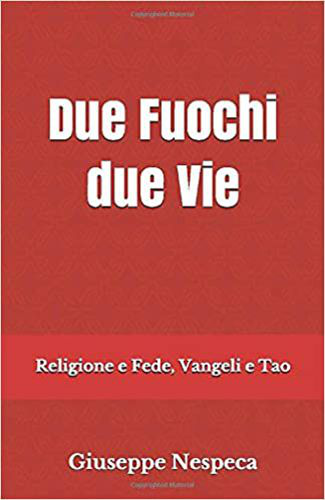
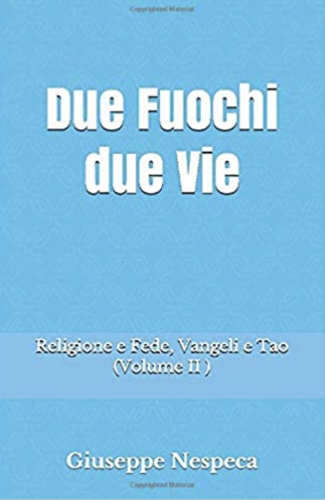
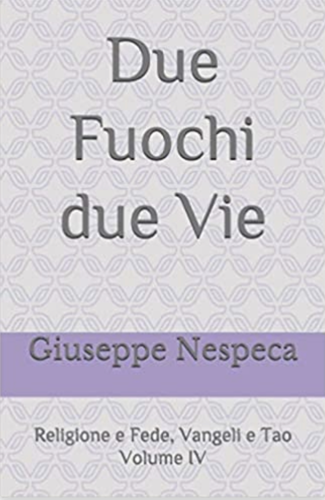
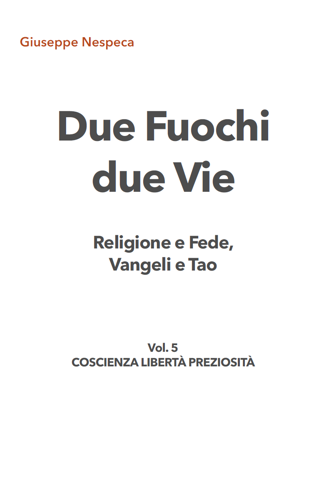
Giuseppe Nespeca è architetto e sacerdote. Cultore della Sacra scrittura è autore della raccolta "Due Fuochi due Vie - Religione e Fede, Vangeli e Tao"; coautore del libro "Dialogo e Solstizio".

And blasphemy, the sin against the Holy Spirit, is the one unforgivable sin — as Jesus said — because it comes from closing the heart to God’s mercy which acts in Jesus (Pope Francis)
E la bestemmia, il peccato contro lo Spirito Santo, è l’unico peccato imperdonabile – così dice Gesù –, perché parte da una chiusura del cuore alla misericordia di Dio che agisce in Gesù (Papa Francesco)
The great thinker Romano Guardini wrote that the Lord “is always close, being at the root of our being. Yet we must experience our relationship with God between the poles of distance and closeness. By closeness we are strengthened, by distance we are put to the test” (Pope Benedict)
Il grande pensatore Romano Guardini scrive che il Signore “è sempre vicino, essendo alla radice del nostro essere. Tuttavia, dobbiamo sperimentare il nostro rapporto con Dio tra i poli della lontananza e della vicinanza. Dalla vicinanza siamo fortificati, dalla lontananza messi alla prova” (Papa Benedetto)
The present-day mentality, more perhaps than that of people in the past, seems opposed to a God of mercy, and in fact tends to exclude from life and to remove from the human heart the very idea of mercy (Pope John Paul II)
La mentalità contemporanea, forse più di quella dell'uomo del passato, sembra opporsi al Dio di misericordia e tende altresì ad emarginare dalla vita e a distogliere dal cuore umano l'idea stessa della misericordia (Papa Giovanni Paolo II)
«Religion of appearance» or «road of humility»? (Pope Francis)
«Religione dell’apparire» o «strada dell’umiltà»? (Papa Francesco)
In the crucified Jesus a kind of transformation and concentration of the signs occurs: he himself is the “sign of God”, especially in the mystery of his Death and Resurrection (Pope John Paul II)
In Gesù crocifisso avviene come una trasformazione e concentrazione dei segni: è Lui stesso il "segno di Dio", soprattutto nel mistero della sua morte e resurrezione (Papa Giovanni Paolo II)
However, the king was not discouraged and sent his servants out to seek other guests to fill his banquet hall. Thus the aspect of the refusal of those initially invited caused the invitation to be extended to all [Pope Benedict]
Il re però non si scoraggia e invia i suoi servi a cercare altri commensali per riempire la sala del suo banchetto. Così il rifiuto dei primi ha come effetto l’estensione dell’invito a tutti [Papa Benedetto]
Faith in God opens before us the horizon of a sure hope, one which does not disappoint; it indicates a solid foundation on which to base one’s life without fear; it demands a faith-filled surrender into the hands of the Love which sustains the world (Pope Benedict)
La fede in Dio apre all’uomo l’orizzonte di una speranza certa che non delude; indica un solido fondamento sul quale poggiare, senza paura, la propria vita; richiede l’abbandono, pieno di fiducia, nelle mani dell’Amore che sostiene il mondo (Papa Benedetto)
The "new evangelization" faces this challenge. It must work to ensure that people recover the awareness that in Christ evil can be conquered with good (Pope John Paul II)
La “nuova evangelizzazione” affronta questa sfida. Essa deve impegnarsi perché tutti gli uomini recuperino la consapevolezza che in Cristo è possibile vincere il male con il bene (Papa Giovanni Paolo II)
Many saints experienced the night of faith and God’s silence — when we knock and God does not respond — and these saints were persevering (Pope Francis)

Due Fuochi due Vie - Vol. 1 Due Fuochi due Vie - Vol. 2 Due Fuochi due Vie - Vol. 3 Due Fuochi due Vie - Vol. 4 Due Fuochi due Vie - Vol. 5 Dialogo e Solstizio I fiammiferi di Maria

duevie.art

don Giuseppe Nespeca

Tel. 333-1329741


Disclaimer

Questo blog non rappresenta una testata giornalistica in quanto viene aggiornato senza alcuna periodicità. Non può pertanto considerarsi un prodotto editoriale ai sensi della legge N°62 del 07/03/2001.
Le immagini sono tratte da internet, ma se il loro uso violasse diritti d'autore, lo si comunichi all'autore del blog che provvederà alla loro pronta rimozione.
L'autore dichiara di non essere responsabile dei commenti lasciati nei post. Eventuali commenti dei lettori, lesivi dell'immagine o dell'onorabilità di persone terze, il cui contenuto fosse ritenuto non idoneo alla pubblicazione verranno insindacabilmente rimossi.