Aug 18, 2026 Written by 

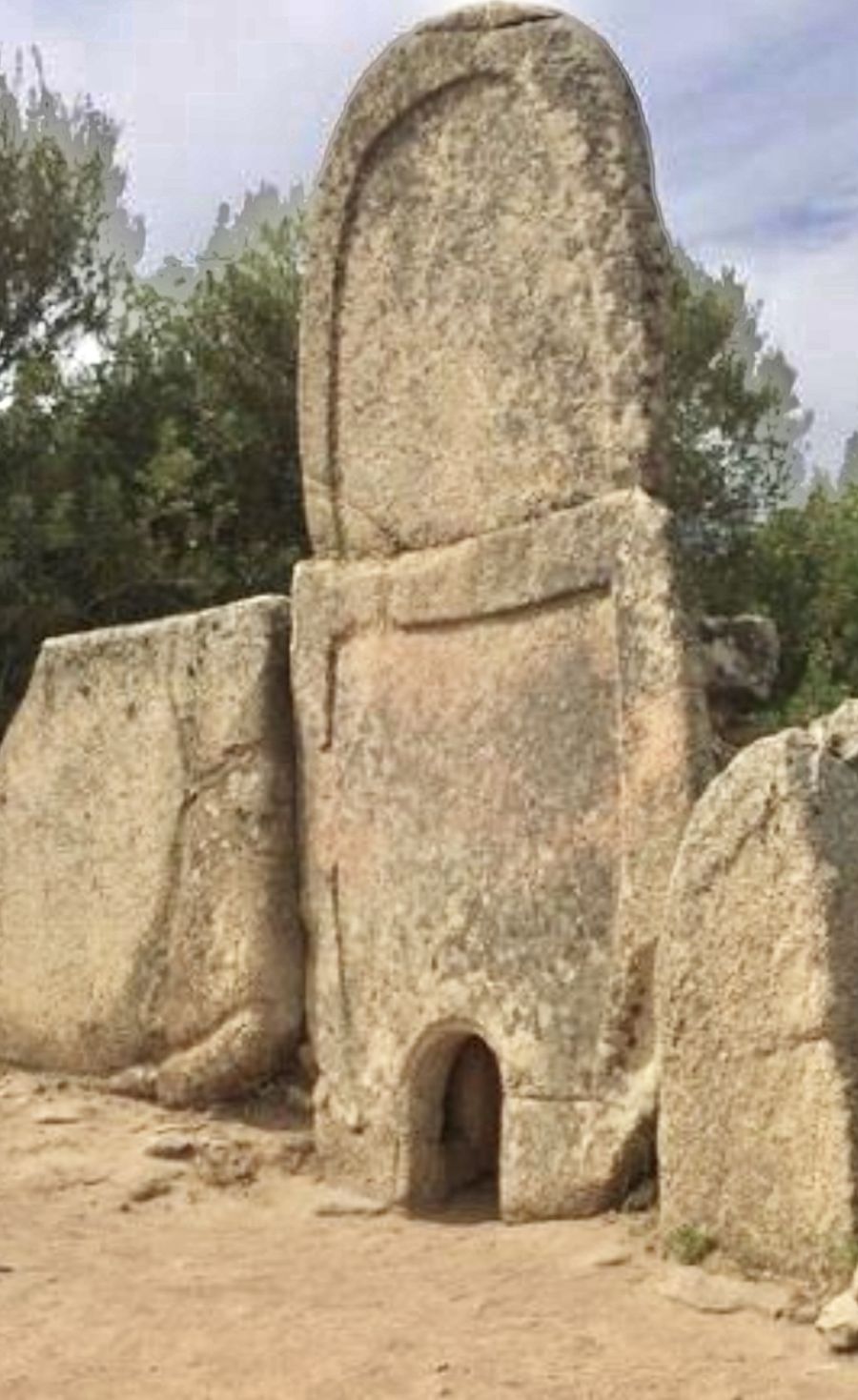
Bleached: beautiful outside, putrid inside. Appearances

(Mt 23:27-32)


John Chrysostom writes in his Commentary on the Gospel of Mt:

«If the conscience of each one could be opened, how many worms, how much rottenness and what unimaginable filth we would find in it. Vile and perverse desires, more filthy than the worms themselves» (73:2).

In his effective Commentary on the Gospel of Mt, St Jerome writes:

«The sepulchres on the outside are white with lime, adorned with marble and gold, resplendent in their colours; but inside they are full of the bones of the dead. So also the perverse teachers, who say one thing and do another: in dress they show purity and in speech humility; but inside they are full of all decay and impure desire» (4).


Jesus takes a stand against hypocrisy and inconsistent extrinsicism. He does so against authorities who save clothing, ideas and image, but radically unfaithful.

He regrets that they appear fictitious and correct, while inside they are a total denial of the respect for God that they showcase.

Thus they let the dark side of the world stagnate, instead of helping us to remove it.

The ostentatious pity for the great ancestors denounces a guilt complex (vv.29-32), not a profoundly intimate key feature - a unifying sphere of being and acting.

Spiritual masters are in the field not to show off - but to benefit, to give colour, new life; to promote authentic and cheering, creative situations.

The Lord proposes a renewal that reaches deep within, more intimate than the epidermal fuss; that touches the place and dimension of the encounter with the Father.

He is not content with 'monuments' with unseemly surprise, inside.


We are always tempted to remain on the level of an embellished surface, seeking easy and immediate gratification, esteem, honour - especially we priests, who not infrequently like to lull ourselves into accolades.

We satisfy ourselves with epidermal things, why? Encountering oneself, others and reality requires an onerous commitment: that of questioning oneself; stepping out of forms, and external fashions.

The whitewashed tombs appear sacred and graceful, but one knows what they sometimes contain.

Not always crystal-clear diamonds; not always expressions of a direct line with others and with God.

In short, the conspicuousness of pomp and paraphernalia, or winking patinas, is a kind of projection.

Artifice that does not allow thoughts to be processed; it only drives away tiring nightmares - in the most childish way.

Love, on the other hand, lives on real sparks - it does not cross them unscathed by contenting itself with self-representation in decorative signs, or in ideology that lures the naive.

Screens of incredible emptiness.


While recognizing the facets of great artistic expression and differing opinions as legitimate, Jesus would have subscribed to a principle of the Puritan laity: «The greater the ceremonies, the lesser the Truth».


[Wednesday 21st wk. in O.T.  August 26, 2026]

329 Last modified on Wednesday, 26 August 2026 12:00
don Giuseppe Nespeca

Giuseppe Nespeca è architetto e sacerdote. Cultore della Sacra scrittura è autore della raccolta "Due Fuochi due Vie - Religione e Fede, Vangeli e Tao"; coautore del libro "Dialogo e Solstizio".

The great thinker Romano Guardini wrote that the Lord “is always close, being at the root of our being. Yet we must experience our relationship with God between the poles of distance and closeness. By closeness we are strengthened, by distance we are put to the test” (Pope Benedict)
Il grande pensatore Romano Guardini scrive che il Signore “è sempre vicino, essendo alla radice del nostro essere. Tuttavia, dobbiamo sperimentare il nostro rapporto con Dio tra i poli della lontananza e della vicinanza. Dalla vicinanza siamo fortificati, dalla lontananza messi alla prova” (Papa Benedetto)
The present-day mentality, more perhaps than that of people in the past, seems opposed to a God of mercy, and in fact tends to exclude from life and to remove from the human heart the very idea of mercy (Pope John Paul II)
La mentalità contemporanea, forse più di quella dell'uomo del passato, sembra opporsi al Dio di misericordia e tende altresì ad emarginare dalla vita e a distogliere dal cuore umano l'idea stessa della misericordia (Papa Giovanni Paolo II)
«Religion of appearance» or «road of humility»? (Pope Francis)
«Religione dell’apparire» o «strada dell’umiltà»? (Papa Francesco)
In the crucified Jesus a kind of transformation and concentration of the signs occurs: he himself is the “sign of God”, especially in the mystery of his Death and Resurrection (Pope John Paul II)
In Gesù crocifisso avviene come una trasformazione e concentrazione dei segni: è Lui stesso il "segno di Dio", soprattutto nel mistero della sua morte e resurrezione (Papa Giovanni Paolo II)
However, the king was not discouraged and sent his servants out to seek other guests to fill his banquet hall. Thus the aspect of the refusal of those initially invited caused the invitation to be extended to all [Pope Benedict]
Il re però non si scoraggia e invia i suoi servi a cercare altri commensali per riempire la sala del suo banchetto. Così il rifiuto dei primi ha come effetto l’estensione dell’invito a tutti [Papa Benedetto]
Faith in God opens before us the horizon of a sure hope, one which does not disappoint; it indicates a solid foundation on which to base one’s life without fear; it demands a faith-filled surrender into the hands of the Love which sustains the world (Pope Benedict)
La fede in Dio apre all’uomo l’orizzonte di una speranza certa che non delude; indica un solido fondamento sul quale poggiare, senza paura, la propria vita; richiede l’abbandono, pieno di fiducia, nelle mani dell’Amore che sostiene il mondo (Papa Benedetto)
The "new evangelization" faces this challenge. It must work to ensure that people recover the awareness that in Christ evil can be conquered with good (Pope John Paul II)
La “nuova evangelizzazione” affronta questa sfida. Essa deve impegnarsi perché tutti gli uomini recuperino la consapevolezza che in Cristo è possibile vincere il male con il bene (Papa Giovanni Paolo II)
Many saints experienced the night of faith and God’s silence — when we knock and God does not respond — and these saints were persevering (Pope Francis)
Tanti santi e sante hanno sperimentato la notte della fede e il silenzio di Dio – quando noi bussiamo e Dio non risponde – e questi santi sono stati perseveranti (Papa Francesco)
In some passages of Scripture it seems to be first and foremost Jesus’ prayer, his intimacy with the Father, that governs everything (Pope Francis)
In qualche pagina della Scrittura sembra essere anzitutto la preghiera di Gesù, la sua intimità con il Padre, a governare tutto (Papa Francesco)

Due Fuochi due Vie - Vol. 1 Due Fuochi due Vie - Vol. 2 Due Fuochi due Vie - Vol. 3 Due Fuochi due Vie - Vol. 4 Due Fuochi due Vie - Vol. 5 Dialogo e Solstizio I fiammiferi di Maria

duevie.art

don Giuseppe Nespeca

Tel. 333-1329741


Disclaimer

Questo blog non rappresenta una testata giornalistica in quanto viene aggiornato senza alcuna periodicità. Non può pertanto considerarsi un prodotto editoriale ai sensi della legge N°62 del 07/03/2001.
Le immagini sono tratte da internet, ma se il loro uso violasse diritti d'autore, lo si comunichi all'autore del blog che provvederà alla loro pronta rimozione.
L'autore dichiara di non essere responsabile dei commenti lasciati nei post. Eventuali commenti dei lettori, lesivi dell'immagine o dell'onorabilità di persone terze, il cui contenuto fosse ritenuto non idoneo alla pubblicazione verranno insindacabilmente rimossi.