Jan 11, 2026 Written by 

Fasting: Opening

New Wineskins and vocational Freedom

(Mk 2:18-22)


Fasting is a regenerative principle that has a unique healing power, both detoxifying and essential.

It activates the energies of ‘humanity’ and at the same time of ‘diversity’.

This silent practice addresses the deep layers, the internal dimension, which becomes the guide and we risk ignoring.


Fasting was a sign of profound religiosity, therefore the disciples of Jesus - who did not fast, on the contrary their life had a festive character - were more or less assimilated to sinners.

Although there were no formal prescriptions, in observant circles it was pious practices that had become customary [linked to precisely marked days].

In Semitic beliefs, fasting was in particular expressive of the embarrassment and affliction of the devout man in the expectation of the Messianic times, which were delaying.

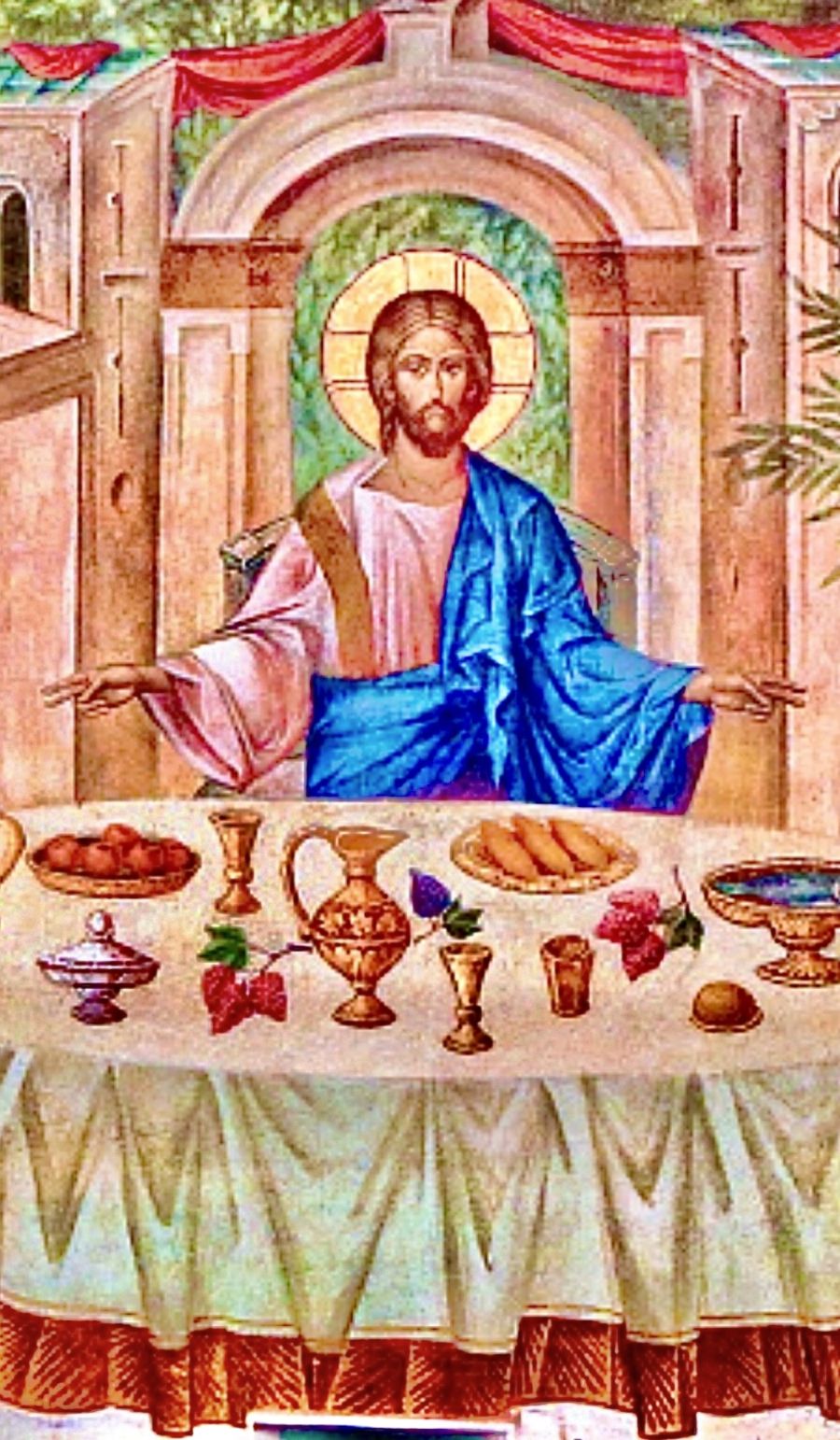
This is why Jesus associates fasting with mourning. It no longer has meaning in life as the unhindered wedding feast that He inaugurates.

Fasting remains as a sign of waiting for fulfillment, but now sadness no longer has any decisive relevance.

In the time of the Church that makes the Risen present, the renunciation of gorging is not a form of penance but of Hope (v.20).

And it serves to keep the hearts of Bridegroom’s friends clear of vanities, with a form of identification with the poor.

In other communities, the Judaizers tried to reduce the pure Faith - foundation and enthusiastic participation - to whatever beliefs and practices [that didn’t make everyone feel free and adequate].

In fact, a large part of the Jews converted to Christ were inclined to nostalgia that resulted in impediment.

In the communities of Roman-Pagan extraction to whom Mark addressed, there was a strong desire to free the Risen One from fetters [disciplinary fixations, timetables, calendar].

The believers perceived Him to be 'alive' - accomplices of the new humanising character they experienced day by day.

Under the confusion and violence of the ongoing civil war, the evangelist wanted to orient his assemblies in the late 60s not to cling to false securities.


Even today the Lord's proposal stands out - because it doesn’t claim to prepare the Kingdom, but rather welcomes and listens to it.

It will be Christ-in-us alone to nourish us towards an uninterrupted and growing way, in the commitment to start afresh in the task of ‘finding ourselves’ and emancipating the world - in a climate of austerity, balanced.

The Call of the Gospels remains respectful, concrete and strongly prophetic at the same time, because it arouses attention to people, to reality, and our joy - much more than to unsolicited standards of improvement, or other patches (v.21).

By not overwhelming or imposing artificial loads on believers, the life of Faith brings freedom into play [and thus makes it known to us] so that we become aware and assume it in order to be able to invest as Grace, charge, resource of novelty.

The renouncing and mortifying mechanisms, of individualistic perfection, are alien from the start - unless they are designed for the sharing of goods.

Jesus doesn’t come to make a small group of followers seated on the chair of austerity, but to communicate that the relationship with God is a celebration.

Fasting pleasing to the Father lies in the lucid experience of one's own unrepeatable eccentricity and Call, in freeing oneself from the selfishness that holds back, in bringing relief to one's neighbor.

For this reason the Church has almost completely abolished the precept of external fasting, while it intends to commit more to forms of limitation in favor of the uncertain, humble and needy.


[Monday 2nd wk. in O.T.   January 19, 2026]

184 Last modified on Monday, 19 January 2026 12:00
don Giuseppe Nespeca

Giuseppe Nespeca è architetto e sacerdote. Cultore della Sacra scrittura è autore della raccolta "Due Fuochi due Vie - Religione e Fede, Vangeli e Tao"; coautore del libro "Dialogo e Solstizio".

Familiarity at the human level makes it difficult to go beyond this in order to be open to the divine dimension. That this son of a carpenter was the Son of God was hard for them to believe. Jesus actually takes as an example the experience of the prophets of Israel, who in their own homeland were an object of contempt, and identifies himself with them (Pope Benedict)
La familiarità sul piano umano rende difficile andare al di là e aprirsi alla dimensione divina. Che questo Figlio di un falegname sia Figlio di Dio è difficile crederlo per loro. Gesù stesso porta come esempio l’esperienza dei profeti d’Israele, che proprio nella loro patria erano stati oggetto di disprezzo, e si identifica con essi (Papa Benedetto)
These two episodes — a healing and a resurrection — share one core: faith. The message is clear, and it can be summed up in one question: do we believe that Jesus can heal us and can raise us from the dead? The entire Gospel is written in the light of this faith: Jesus is risen, He has conquered death, and by his victory we too will rise again. This faith, which for the first Christians was sure, can tarnish and become uncertain… (Pope Francis)
The ability to be amazed at things around us promotes religious experience and makes the encounter with the Lord more fruitful. On the contrary, the inability to marvel makes us indifferent and widens the gap between the journey of faith and daily life (Pope Francis)
La capacità di stupirsi delle cose che ci circondano favorisce l’esperienza religiosa e rende fecondo l’incontro con il Signore. Al contrario, l’incapacità di stupirci rende indifferenti e allarga le distanze tra il cammino di fede e la vita di ogni giorno (Papa Francesco)
An ancient hermit says: “The Beatitudes are gifts of God and we must say a great ‘thank you’ to him for them and for the rewards that derive from them, namely the Kingdom of God in the century to come and consolation here; the fullness of every good and mercy on God’s part … once we have become images of Christ on earth” (Peter of Damascus) [Pope Benedict]
Afferma un antico eremita: «Le Beatitudini sono doni di Dio, e dobbiamo rendergli grandi grazie per esse e per le ricompense che ne derivano, cioè il Regno dei Cieli nel secolo futuro, la consolazione qui, la pienezza di ogni bene e misericordia da parte di Dio … una volta che si sia divenuti immagine del Cristo sulla terra» (Pietro di Damasco) [Papa Benedetto]
And quite often we too, beaten by the trials of life, have cried out to the Lord: “Why do you remain silent and do nothing for me?”. Especially when it seems we are sinking, because love or the project in which we had laid great hopes disappears (Pope Francis)
E tante volte anche noi, assaliti dalle prove della vita, abbiamo gridato al Signore: “Perché resti in silenzio e non fai nulla per me?”. Soprattutto quando ci sembra di affondare, perché l’amore o il progetto nel quale avevamo riposto grandi speranze svanisce (Papa Francesco)
The Kingdom of God grows here on earth, in the history of humanity, by virtue of an initial sowing, that is, of a foundation, which comes from God, and of a mysterious work of God himself (John Paul II)

Due Fuochi due Vie - Vol. 1 Due Fuochi due Vie - Vol. 2 Due Fuochi due Vie - Vol. 3 Due Fuochi due Vie - Vol. 4 Due Fuochi due Vie - Vol. 5 Dialogo e Solstizio I fiammiferi di Maria

duevie.art

don Giuseppe Nespeca

Tel. 333-1329741


Disclaimer

Questo blog non rappresenta una testata giornalistica in quanto viene aggiornato senza alcuna periodicità. Non può pertanto considerarsi un prodotto editoriale ai sensi della legge N°62 del 07/03/2001.
Le immagini sono tratte da internet, ma se il loro uso violasse diritti d'autore, lo si comunichi all'autore del blog che provvederà alla loro pronta rimozione.
L'autore dichiara di non essere responsabile dei commenti lasciati nei post. Eventuali commenti dei lettori, lesivi dell'immagine o dell'onorabilità di persone terze, il cui contenuto fosse ritenuto non idoneo alla pubblicazione verranno insindacabilmente rimossi.







