Jun 1, 2026 Written by 

Salt and Light in Vocation

(Mt 5:13-16)


«Beautiful Works» [which express fullness] are good works, enriched by the splendour of disinterest, listening, hospitality, prayer and humble dialogue, cordial fraternity.

The plural term (v.16) indicates our vocation to reinterpret in a personal way the Self-Portrait of Christ imprinted in the Beatitudes just proclaimed (vv.1-12).

We each have an irreplaceable role in the moments of equilibrium break and Exodus.

We are legitimized unconditionally.

God has respect for the shortcomings and the functions that are lacking: who knows what blissful novelties they hide and are preparing.

The Beatitudes have their own fragrance, but all personal. Their «salt» fights the insignificant of fatuous hopes.

And sons look far away, but they are with the "pasta"... remaining a living call: between God and man [who is himself even in fraternity] there is an inviolable bond.

In fact, «Light» is what does not mix with things, but distinguishes them.

The Israelites considered themselves «Light of the world» for their devotion and impeccable religious practice.

For Jesus, the faithful and the Community are «Light» because they walk in the friendly glory of the Master.

The disciple and the Assembly are «Salt» because they appear in the world under any circumstance as those who give it meaning, Wisdom [from the Latin «sapĕre», to have flavour].

We are called to be a sign of a new Pact, because the unexpected Relation of the Mount that the Son proposes could no longer be contained in the First Covenant.

To the ancient needs of purification Christ replaces those of full fraternity, which in the enhancement of each person gives taste and (precisely) flavor, and becomes a lamp to our steps.

This "second Pact" does not crush the believing people. Sign of a Father who recovers and infuses orientations to the individual path and to the Churches - not from the outside, but from our roots and as a leaven.

We become a living Beauty thanks to an activity that is imperfect but that has its influence on flowering, from within.

Thus preserving people from the unraveling of dehumanization and corruption - like «salt» with food.

«Salt and Light» are every little divine element that has its own Mystery and Appeal.

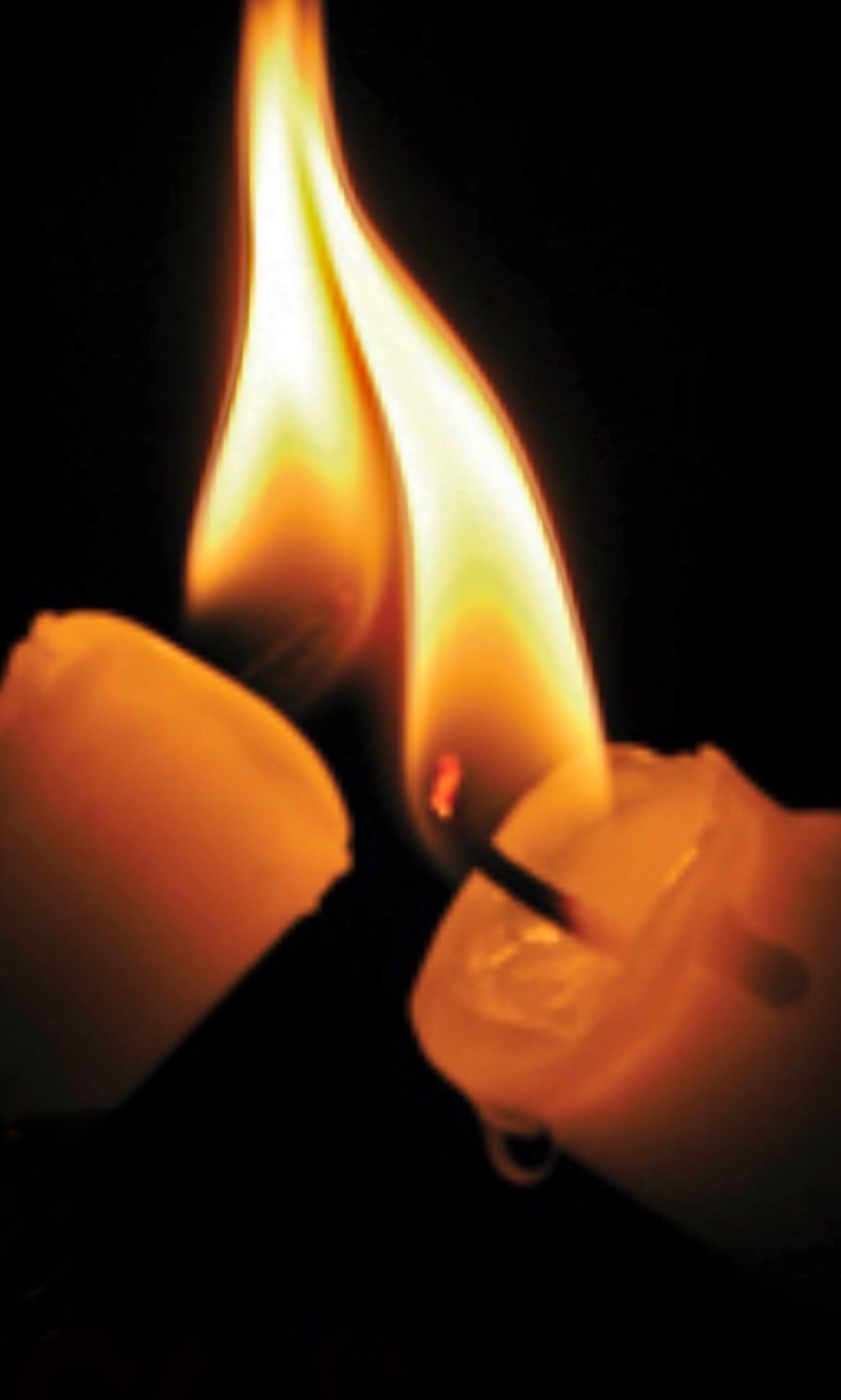
Our little candles can continue to thin out the darkness, but only until we put them under a «bushel» (v.15), that is, under a pedissee «measure» - wich is not the different, propulsive and always unprecedent one of the Beatitudes.

In Christ we are led to an evolutionary leap: we are Sapidity though minute of things, and limited Lights, yes - but not inhibited.

The life of Faith guides and stimulates the building of a realm of personal Taste and Love, without hysteria or intimate dissociations.

This adventure is configured as a New Alliance between soul, reality, global and local world, ‘signs of time’ and Mystery.

Light of Freedom that coincides with our Vocation by Name. Intelligent energy that knows how to draw alternative life even from the wounds inflicted.


[Tuesday 10th wk. in O.T.  June 9, 2026]

113 Last modified on Monday, 01 June 2026 04:10
don Giuseppe Nespeca

Giuseppe Nespeca è architetto e sacerdote. Cultore della Sacra scrittura è autore della raccolta "Due Fuochi due Vie - Religione e Fede, Vangeli e Tao"; coautore del libro "Dialogo e Solstizio".

An ancient hermit says: “The Beatitudes are gifts of God and we must say a great ‘thank you’ to him for them and for the rewards that derive from them, namely the Kingdom of God in the century to come and consolation here; the fullness of every good and mercy on God’s part … once we have become images of Christ on earth” (Peter of Damascus) [Pope Benedict]
Afferma un antico eremita: «Le Beatitudini sono doni di Dio, e dobbiamo rendergli grandi grazie per esse e per le ricompense che ne derivano, cioè il Regno dei Cieli nel secolo futuro, la consolazione qui, la pienezza di ogni bene e misericordia da parte di Dio … una volta che si sia divenuti immagine del Cristo sulla terra» (Pietro di Damasco) [Papa Benedetto]
"How will we be able to live without him?". In these words of St Ignatius we hear echoing the affirmation of the martyrs of Abitene: "Sine dominico non possumus" [Pope Benedict]
"Come potremmo vivere senza di Lui?". Sentiamo echeggiare in queste parole di Sant’Ignazio l’affermazione dei martiri di Abitene: "Sine dominico non possumus" [Papa Benedetto]
The kingdom of Christ is manifested, as the Council teaches, in the 'kingship' of man [John Paul II]
Il regno di Cristo si manifesta, come insegna il Concilio, nella “regalità” dell’uomo [Giovanni Paolo II]
In the middle of the dense forest of rules and regulations — to the legalisms of past and present — Jesus makes an opening through which one can catch a glimpse of two faces: the face of the Father and the face of the brother. He does not give us two formulas or two precepts: there are no precepts nor formulas. He gives us two faces [Pope Francis]
In mezzo alla fitta selva di precetti e prescrizioni – ai legalismi di ieri e di oggi – Gesù opera uno squarcio che permette di scorgere due volti: il volto del Padre e quello del fratello. Non ci consegna due formule o due precetti: non sono precetti e formule; ci consegna due volti [Papa Francesco]
Whoever is inscribed in God's name participates in God's life, and lives. Therefore to believe is to be inscribed in the name of God. Thus we are alive. Whoever has a share in God's name is not dead but rather belongs to the living God. In this sense we should be able to understand the dynamism of faith, which entails enrolling our names in the name of God and in this way entering into life [Pope Benedict]
Chi è scritto nel nome di Dio partecipa alla vita di Dio, vive. E così credere è essere iscritti nel nome di Dio. E così siamo vivi. Chi appartiene al nome di Dio non è un morto, appartiene al Dio vivente. In questo senso dovremmo capire il dinamismo della fede, che è un iscrivere il nostro nome nel nome di Dio e così un entrare nella vita [Papa Benedetto]
As sometimes happens in the Gospel, faced with the trap set for him by his enemies, Jesus, with his response, rises above the contingent controversy and goes far beyond the particular and mutually divergent positions (John Paul II)
Come talora accade nel Vangelo, di fronte al tranello mossogli dai suoi nemici, Gesù, con la sua risposta, s’innalza al di sopra della polemica contingente e va ben oltre le posizioni particolari e tra loro divergenti (Giovanni Paolo II)
This Name clearly expresses that the God of the Bible is not some kind of monad closed in on itself and satisfied with his own self-sufficiency but he is life that wants to communicate itself, openness, relationship [Pope Benedict]

Due Fuochi due Vie - Vol. 1 Due Fuochi due Vie - Vol. 2 Due Fuochi due Vie - Vol. 3 Due Fuochi due Vie - Vol. 4 Due Fuochi due Vie - Vol. 5 Dialogo e Solstizio I fiammiferi di Maria

duevie.art

don Giuseppe Nespeca

Tel. 333-1329741


Disclaimer

Questo blog non rappresenta una testata giornalistica in quanto viene aggiornato senza alcuna periodicità. Non può pertanto considerarsi un prodotto editoriale ai sensi della legge N°62 del 07/03/2001.
Le immagini sono tratte da internet, ma se il loro uso violasse diritti d'autore, lo si comunichi all'autore del blog che provvederà alla loro pronta rimozione.
L'autore dichiara di non essere responsabile dei commenti lasciati nei post. Eventuali commenti dei lettori, lesivi dell'immagine o dell'onorabilità di persone terze, il cui contenuto fosse ritenuto non idoneo alla pubblicazione verranno insindacabilmente rimossi.







