Feb 3, 2026 Written by 

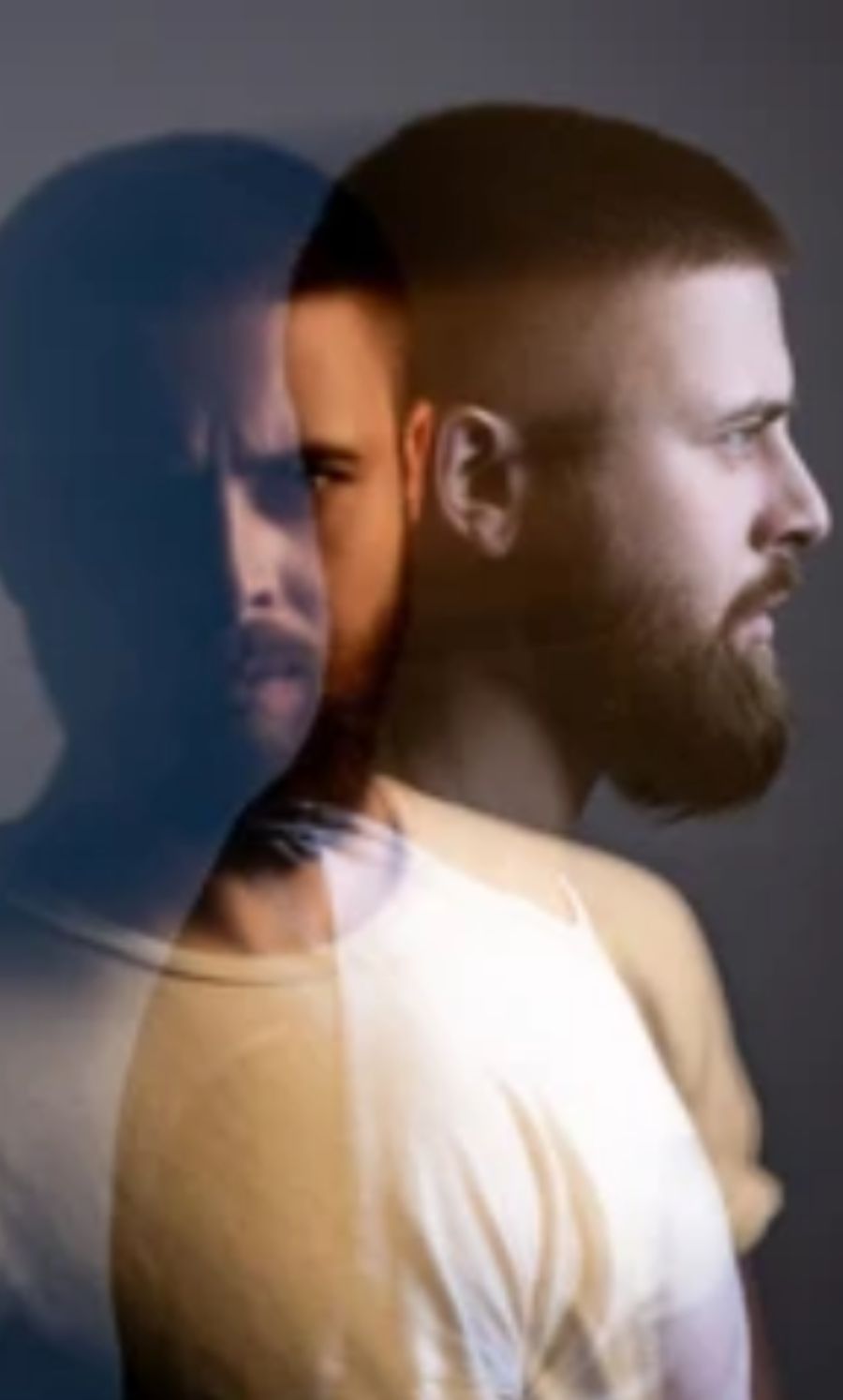
The origin of evil is not in an external cause

Purity, impudity and misrepresented holiness

(Mk 7,14-23)


The Lord is for a comprehensive humanization. But in ancient cultures the mythical vision of the world led people to appreciate any reality starting from the category of ‘holiness’ as ‘detachment’.

The purity laws indicated the conditions necessary to stand before God and feel good in His presence - but in fact always dismayed, because [obviously] not totally complying.

At Mk’s time some converted Jews believed they could abandon the ancient customs and get closer to the pagans; others were of the opposite opinion: it would have been like rejecting substantial parts of the Torah.

In fact, the evangelist emphasizes that the problem is «in the Home» (v.17) that is, in the Church. Fraternity where the Master who came to free us from artificial obsessions, wasn’t yet understood.

Christ must insist on his teaching, now not addressed to strangers but to disciples [precisely] incapable of «understanding» (vv.14.18).

In this way, the Gospel rejects the distinction between the religious sphere of life and "contaminated" daily arrangement; a source of corruption. But normal, ground, harsh reality - therefore assessed distant from the ‘divine’.

Quintessence that vice versa does not intend to subjugate anyone.


The active presence of a new Order abolishes legal prescriptions and shifts the center of morality of our acts.

Here the teaching of Jesus is recalled: impurity does not come from outside [that is, from external to the inside]. That’s not the threat.

The realities of the world are never wicked and unsuitable - not even by the worship.

They become an abomination only by passing through decisions that are sacrilegious, because block life. And detachments that barbarize.

There is no sacred and profane in itself.

Mystery and Beatitude come into the world exclusively through the channel of dialogue and encounter with respect for intelligence, personal soul, and differing cultures. Not by pursuing entities of merit, nor misrepresented bottlenecks.

Here formal legalism kills the expansion of life and ideals: “impure” is what poisons the existence and spontaneous realization of people, their relationships, and creation itself.


Jesus frees the crowd of the voiceless and lost from the obsession of torments and fears, from always being on the defensive.

We are called to love the limits: they are the ground of preparatory energies of the real flowering -  impulses and signs of our ‘task in the world’ according to the Newness of God.

Every Exodus values alternatives.

And we find the realization, the meaning of life, and gradually greater completeness, indeed by meeting our opposite sides.

We are not called to stare in one direction. There are others.

Anyone who intimidates the "inadequate" woman and brother threatens the life of the cosmos and makes the most sensitive and attentive people self-doubtful.

It is the imperfections that make us new, exceptional, unique!

Let’s therefore learn not to feel dismay at the fact that ‘we are not’ religiously "successful" - but Firstfruits!


[Wednesday 5th wk. in O.T.  February 11, 2026]

269 Last modified on Wednesday, 11 February 2026 12:05
don Giuseppe Nespeca

Giuseppe Nespeca è architetto e sacerdote. Cultore della Sacra scrittura è autore della raccolta "Due Fuochi due Vie - Religione e Fede, Vangeli e Tao"; coautore del libro "Dialogo e Solstizio".

There is the path of those who, like those two on the outbound journey, allow themselves to be paralysed by life’s disappointments and proceed sadly; and there is the path of those who do not put themselves and their problems first, but rather Jesus who visits us, and the brothers who await his visit (Pope Francis)
C’è la via di chi, come quei due all’andata, si lascia paralizzare dalle delusioni della vita e va avanti triste; e c’è la via di chi non mette al primo posto se stesso e i suoi problemi, ma Gesù che ci visita, e i fratelli che attendono la sua visita (Papa Francesco)
So that Christians may properly carry out this mandate entrusted to them, it is indispensable that they have a personal encounter with Christ, crucified and risen, and let the power of his love transform them. When this happens, sadness changes to joy and fear gives way to missionary enthusiasm (John Paul II)
Perché i cristiani possano compiere appieno questo mandato loro affidato, è indispensabile che incontrino personalmente il Crocifisso risorto, e si lascino trasformare dalla potenza del suo amore. Quando questo avviene, la tristezza si muta in gioia, il timore cede il passo all’ardore missionario (Giovanni Paolo II)
This is the message that Christians are called to spread to the very ends of the earth. The Christian faith, as we know, is not born from the acceptance of a doctrine but from an encounter with a Person (Pope Benedict)
È questo il messaggio che i cristiani sono chiamati a diffondere sino agli estremi confini del mondo. La fede cristiana come sappiamo nasce non dall'accoglienza di una dottrina, ma dall'incontro con una Persona (Papa Benedetto)
From ancient times the liturgy of Easter day has begun with the words: Resurrexi et adhuc tecum sum – I arose, and am still with you; you have set your hand upon me. The liturgy sees these as the first words spoken by the Son to the Father after his resurrection, after his return from the night of death into the world of the living. The hand of the Father upheld him even on that night, and thus he could rise again (Pope Benedict)
Dai tempi più antichi la liturgia del giorno di Pasqua comincia con le parole: Resurrexi et adhuc tecum sum – sono risorto e sono sempre con te; tu hai posto su di me la tua mano. La liturgia vi vede la prima parola del Figlio rivolta al Padre dopo la risurrezione, dopo il ritorno dalla notte della morte nel mondo dei viventi. La mano del Padre lo ha sorretto anche in questa notte, e così Egli ha potuto rialzarsi, risorgere (Papa Benedetto)
The Church keeps watch. And the world keeps watch. The hour of Christ's victory over death is the greatest hour in history (John Paul II)
Veglia la Chiesa. E veglia il mondo. L’ora della vittoria di Cristo sulla morte è l’ora più grande della storia (Giovanni Paolo II)
Before the Cross of Jesus, we apprehend in a way that we can almost touch with our hands how much we are eternally loved; before the Cross we feel that we are “children” and not “things” or “objects” [Pope Francis, via Crucis at the Colosseum 2014]
Di fronte alla Croce di Gesù, vediamo quasi fino a toccare con le mani quanto siamo amati eternamente; di fronte alla Croce ci sentiamo “figli” e non “cose” o “oggetti” [Papa Francesco, via Crucis al Colosseo 2014]
The devotional and external purifications purify man ritually but leave him as he is replaced by a new bathing (Pope Benedict)

Due Fuochi due Vie - Vol. 1 Due Fuochi due Vie - Vol. 2 Due Fuochi due Vie - Vol. 3 Due Fuochi due Vie - Vol. 4 Due Fuochi due Vie - Vol. 5 Dialogo e Solstizio I fiammiferi di Maria

duevie.art

don Giuseppe Nespeca

Tel. 333-1329741


Disclaimer

Questo blog non rappresenta una testata giornalistica in quanto viene aggiornato senza alcuna periodicità. Non può pertanto considerarsi un prodotto editoriale ai sensi della legge N°62 del 07/03/2001.
Le immagini sono tratte da internet, ma se il loro uso violasse diritti d'autore, lo si comunichi all'autore del blog che provvederà alla loro pronta rimozione.
L'autore dichiara di non essere responsabile dei commenti lasciati nei post. Eventuali commenti dei lettori, lesivi dell'immagine o dell'onorabilità di persone terze, il cui contenuto fosse ritenuto non idoneo alla pubblicazione verranno insindacabilmente rimossi.







