Dec 29, 2025 Written by 

Epiphany: more adventure is needed

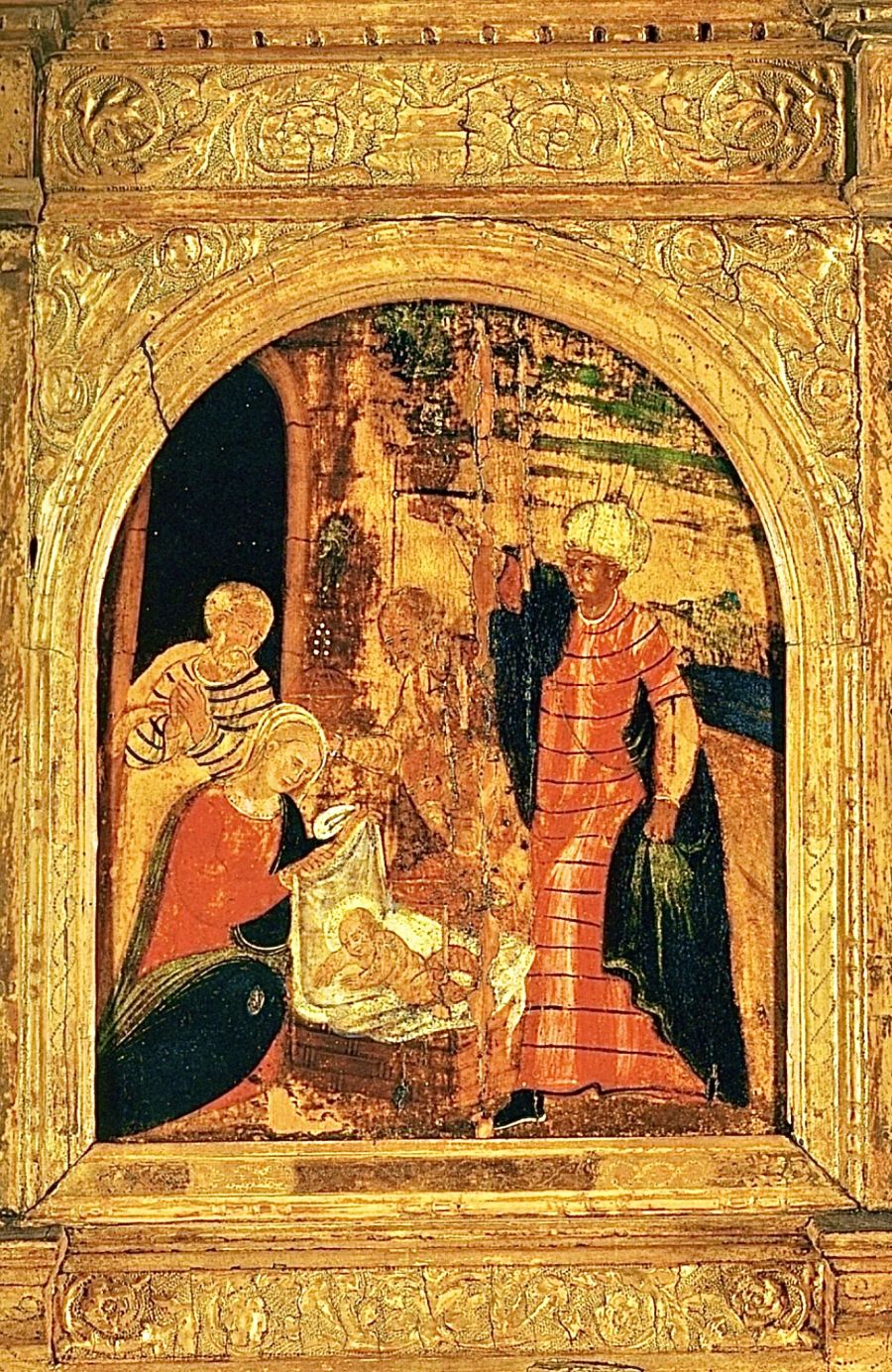
Childbirth and Manifestation

(Mt 2:1-12)


Mt writes in the 80s for the third generation worshippers. It is a time when he sees that in the first communities the pagans entered in droves, while precisely those who for centuries had been waiting for the Light to which they seemed so fond were disdainfully rejecting it.

The narrative of the Epiphany draws inspiration from what was happening before the eyes of believers at the end of the first century.

People who have always had the habit of waiting, by now they did not wait or see anything. They had become so accustomed to ancient expectations that they no longer imagined that they could have a real Encounter with the Newness of God.

The impact of those who honestly were looking for the Star was quite different: a distinct approach, albeit in precarious balance, which nevertheless allowed indeed the distant ones on the way to ask the right questions.

Without interests to defend, the new seekers of God were still on the march, they were moved away from all the ancient shackles and from their own ideas. Without respite they walked a long and new Way.

They were not just looking for quietist reassurances. They understood that the Treasure of God is in a Journey, for a not mediocre wonder; all of Origin.


While addressing religious authorities and experts in the ancient Scriptures (vv.1-2), authentic pilgrims continued to head forward.

In this way, flying over the habitual fences of respect for roles, social prominence, conformist interpretation.

But if the throne feared for its power, the temple was afraid of losing the exclusivity on God, then hegemony over consciences.

[In the Gospels, thrones and altars are under the banner of supremacy, strength, dowry, deception: here vv.3-4].

However, the Explorers did not submit to ceremonies of established verticism, nor to the influence of a fake uniformity.

Thus receiving the Radiance of Christmas Revelation: God is not a ruler, but unarmed. Tender and Small, among defenseless.


By tradition, the people of Messianic promises were considered to be awarded a regal, priestly and sponsal dignity.

These Gifts [gold and incense and myrrh: v.11] are now passed on to people of any cultural background.

Those who are endowed with a «freewheeling intuitions» - remote, «effective» treasures, so precious for the synodal path (and equally neglected) [Speech September 18, 2021].

In short, the seekers of God are called and drawn from an unthinkable geography and history, because they remain the only ones who have the liver to constantly embark on a different route: «other Way» (v.12).

Because the normality of the dictated courses kills life - annihilating the spirit of adventure and surprise that bothers to dive into the present.

And those born from wave to wave produce healthy opportunities.

The Lord knows to what potentialities of good the even more embarrassing creatures can be converted, and chaises them.


At some point in our journey - then from time to time - we will understand that the discomfort of exploration had the function of bringing to light the Child in us, hidden and misjudged.

In short, some "religious" defects make us Unique, Special. They guide us to venerate that Frugolus present, who is complicit in us.

They bring us Home, our very own.


[Epiphany of the Lord, January 6]

190 Last modified on Tuesday, 06 January 2026 12:08
don Giuseppe Nespeca

Giuseppe Nespeca è architetto e sacerdote. Cultore della Sacra scrittura è autore della raccolta "Due Fuochi due Vie - Religione e Fede, Vangeli e Tao"; coautore del libro "Dialogo e Solstizio".

Familiarity at the human level makes it difficult to go beyond this in order to be open to the divine dimension. That this son of a carpenter was the Son of God was hard for them to believe. Jesus actually takes as an example the experience of the prophets of Israel, who in their own homeland were an object of contempt, and identifies himself with them (Pope Benedict)
La familiarità sul piano umano rende difficile andare al di là e aprirsi alla dimensione divina. Che questo Figlio di un falegname sia Figlio di Dio è difficile crederlo per loro. Gesù stesso porta come esempio l’esperienza dei profeti d’Israele, che proprio nella loro patria erano stati oggetto di disprezzo, e si identifica con essi (Papa Benedetto)
These two episodes — a healing and a resurrection — share one core: faith. The message is clear, and it can be summed up in one question: do we believe that Jesus can heal us and can raise us from the dead? The entire Gospel is written in the light of this faith: Jesus is risen, He has conquered death, and by his victory we too will rise again. This faith, which for the first Christians was sure, can tarnish and become uncertain… (Pope Francis)
The ability to be amazed at things around us promotes religious experience and makes the encounter with the Lord more fruitful. On the contrary, the inability to marvel makes us indifferent and widens the gap between the journey of faith and daily life (Pope Francis)
La capacità di stupirsi delle cose che ci circondano favorisce l’esperienza religiosa e rende fecondo l’incontro con il Signore. Al contrario, l’incapacità di stupirci rende indifferenti e allarga le distanze tra il cammino di fede e la vita di ogni giorno (Papa Francesco)
An ancient hermit says: “The Beatitudes are gifts of God and we must say a great ‘thank you’ to him for them and for the rewards that derive from them, namely the Kingdom of God in the century to come and consolation here; the fullness of every good and mercy on God’s part … once we have become images of Christ on earth” (Peter of Damascus) [Pope Benedict]
Afferma un antico eremita: «Le Beatitudini sono doni di Dio, e dobbiamo rendergli grandi grazie per esse e per le ricompense che ne derivano, cioè il Regno dei Cieli nel secolo futuro, la consolazione qui, la pienezza di ogni bene e misericordia da parte di Dio … una volta che si sia divenuti immagine del Cristo sulla terra» (Pietro di Damasco) [Papa Benedetto]
And quite often we too, beaten by the trials of life, have cried out to the Lord: “Why do you remain silent and do nothing for me?”. Especially when it seems we are sinking, because love or the project in which we had laid great hopes disappears (Pope Francis)
E tante volte anche noi, assaliti dalle prove della vita, abbiamo gridato al Signore: “Perché resti in silenzio e non fai nulla per me?”. Soprattutto quando ci sembra di affondare, perché l’amore o il progetto nel quale avevamo riposto grandi speranze svanisce (Papa Francesco)
The Kingdom of God grows here on earth, in the history of humanity, by virtue of an initial sowing, that is, of a foundation, which comes from God, and of a mysterious work of God himself (John Paul II)

Due Fuochi due Vie - Vol. 1 Due Fuochi due Vie - Vol. 2 Due Fuochi due Vie - Vol. 3 Due Fuochi due Vie - Vol. 4 Due Fuochi due Vie - Vol. 5 Dialogo e Solstizio I fiammiferi di Maria

duevie.art

don Giuseppe Nespeca

Tel. 333-1329741


Disclaimer

Questo blog non rappresenta una testata giornalistica in quanto viene aggiornato senza alcuna periodicità. Non può pertanto considerarsi un prodotto editoriale ai sensi della legge N°62 del 07/03/2001.
Le immagini sono tratte da internet, ma se il loro uso violasse diritti d'autore, lo si comunichi all'autore del blog che provvederà alla loro pronta rimozione.
L'autore dichiara di non essere responsabile dei commenti lasciati nei post. Eventuali commenti dei lettori, lesivi dell'immagine o dell'onorabilità di persone terze, il cui contenuto fosse ritenuto non idoneo alla pubblicazione verranno insindacabilmente rimossi.







