Feb 9, 2026 Written by 

The little Food, enriching

And the much yeast, which impoverishes

(Mk 8:14-21)


Jesus says one thing, the apostles understand another. The «leaven of the Pharisees and that of Herod» is a theme that alludes to the ideology of domination.

The disciples were close to Christ, because he was the character of the moment.

But enraptured by cheap illusions, they no longer listened to the Master, who was pursuing them.

Even today some followers do not feel like getting involved in things they do not want to know and would put them in shortage (v.14) - with the only possibility of fraternal sharing.

They seem unwilling to hear anything but proclamations of power, opulence, fame and imperial victory.

Their heads and their desires remain distant, engaged only in the validations of "swelling" and profit - despite appearances to the contrary.

They come to kidnap the Son of God for themselves, because they seem to have become exactly like the adversaries of the new Faith: hardened hearts (v.17) - eyes that do not look, ears that do not listen (v.18).

By moving away from him to turn willingly to the usual idolatries and pagan hopes.


Of course, there were confused ideas about the Messiah around - but all related to the [unfaithful] conception of ‘grandeur’.

But the authentic Messiah doesn’t want to reach an eminent position through contacts and deceptions, but rather to help needy and frightened humanity.

Many were waiting for a King, others for a high priest who was finally holy.

Some expected a guerrilla, or a healer;  others a judge or a prophet. No one a Servant.

Everyone reduced him to normal flattery, according to their interests - and class of belonging.

In fact, the very intimates of the Master showed themselves willing to go after any breeze of doctrine, as long as this could allow them to retain the treasures of the Kingdom.

Any title for the Messiah - religious, political, nationalist - could be tolerated, digested and made tameable... except the one that forced them to become servants of others.

The only uncomfortable presence.


Yet the prolonged absence of a prophetic spirit becomes the cause of many torments.

The inclination to coexistence and communion is missionary ‘truth’. Instrument for the redemption of all, starting with those who reach out to needy sisters and brothers.

By its nature and mandate, the small boat of the Church remains sent to all nations. ‘Salt of the earth’, ‘Light of the world’.

No believer must imagine himself exonerated.

Baptism has incorporated us, so that we are launched to cooperate - according to capacity and contexts.

A breath that cannot be interrupted or limited. Death would result.

In short, the Lord doesn’t ask us for marginal and nuanced behavior, but rather receptive and global ones.

Attitudes that affect the sense of history and its assets...

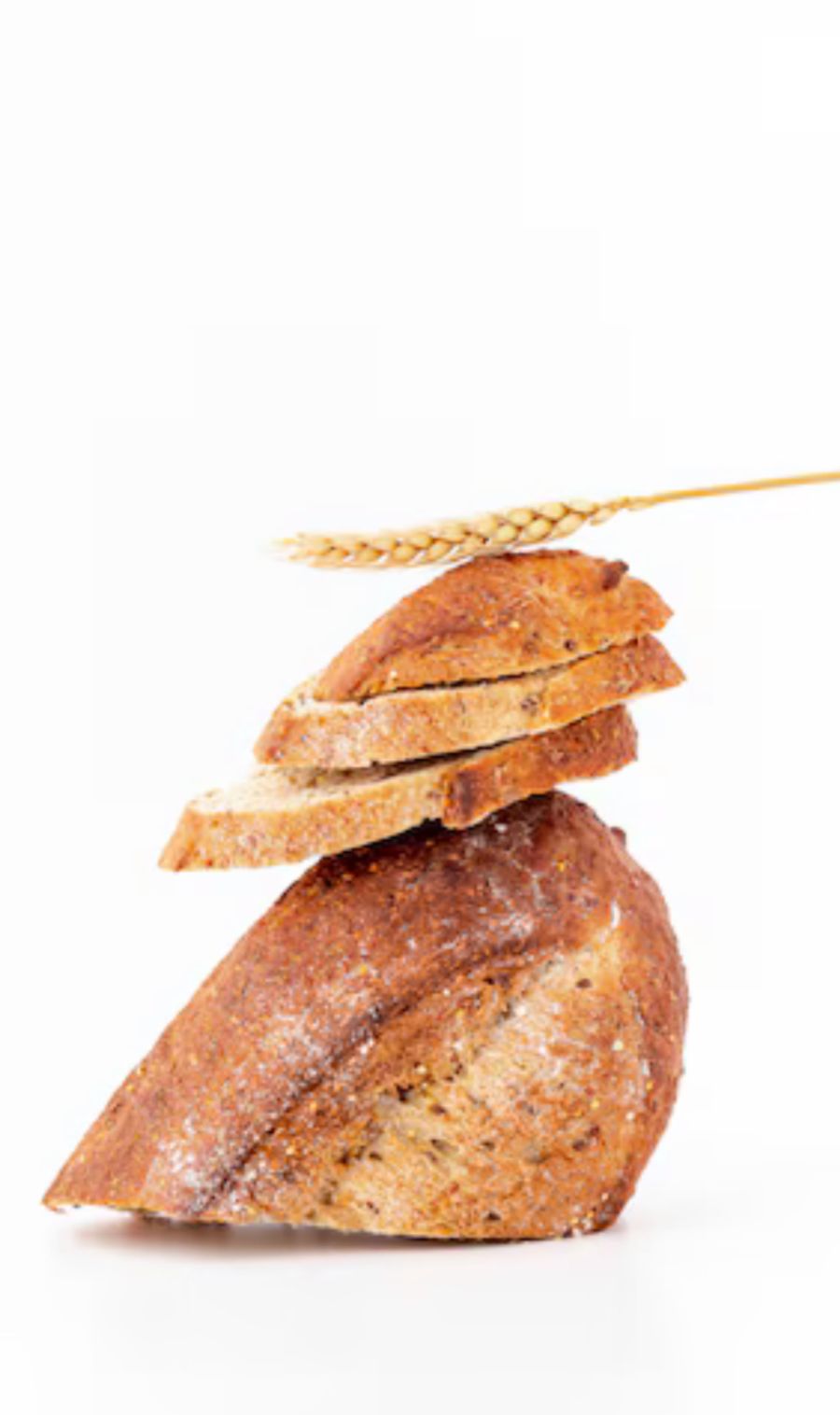
Because sharing the little «bread» doesn’t impoverish; rather, it enriches.


To internalize and live the message:


«They had ‘only one bread’ with them in the boat»: do you complain about it or do you evaluate its meaning?


[Tuesday 6th wk. in O.T.  February 17, 2026]

467 Last modified on Tuesday, 17 February 2026 12:02
don Giuseppe Nespeca

Giuseppe Nespeca è architetto e sacerdote. Cultore della Sacra scrittura è autore della raccolta "Due Fuochi due Vie - Religione e Fede, Vangeli e Tao"; coautore del libro "Dialogo e Solstizio".

There is the path of those who, like those two on the outbound journey, allow themselves to be paralysed by life’s disappointments and proceed sadly; and there is the path of those who do not put themselves and their problems first, but rather Jesus who visits us, and the brothers who await his visit (Pope Francis)
C’è la via di chi, come quei due all’andata, si lascia paralizzare dalle delusioni della vita e va avanti triste; e c’è la via di chi non mette al primo posto se stesso e i suoi problemi, ma Gesù che ci visita, e i fratelli che attendono la sua visita (Papa Francesco)
So that Christians may properly carry out this mandate entrusted to them, it is indispensable that they have a personal encounter with Christ, crucified and risen, and let the power of his love transform them. When this happens, sadness changes to joy and fear gives way to missionary enthusiasm (John Paul II)
Perché i cristiani possano compiere appieno questo mandato loro affidato, è indispensabile che incontrino personalmente il Crocifisso risorto, e si lascino trasformare dalla potenza del suo amore. Quando questo avviene, la tristezza si muta in gioia, il timore cede il passo all’ardore missionario (Giovanni Paolo II)
This is the message that Christians are called to spread to the very ends of the earth. The Christian faith, as we know, is not born from the acceptance of a doctrine but from an encounter with a Person (Pope Benedict)
È questo il messaggio che i cristiani sono chiamati a diffondere sino agli estremi confini del mondo. La fede cristiana come sappiamo nasce non dall'accoglienza di una dottrina, ma dall'incontro con una Persona (Papa Benedetto)
From ancient times the liturgy of Easter day has begun with the words: Resurrexi et adhuc tecum sum – I arose, and am still with you; you have set your hand upon me. The liturgy sees these as the first words spoken by the Son to the Father after his resurrection, after his return from the night of death into the world of the living. The hand of the Father upheld him even on that night, and thus he could rise again (Pope Benedict)
Dai tempi più antichi la liturgia del giorno di Pasqua comincia con le parole: Resurrexi et adhuc tecum sum – sono risorto e sono sempre con te; tu hai posto su di me la tua mano. La liturgia vi vede la prima parola del Figlio rivolta al Padre dopo la risurrezione, dopo il ritorno dalla notte della morte nel mondo dei viventi. La mano del Padre lo ha sorretto anche in questa notte, e così Egli ha potuto rialzarsi, risorgere (Papa Benedetto)
The Church keeps watch. And the world keeps watch. The hour of Christ's victory over death is the greatest hour in history (John Paul II)
Veglia la Chiesa. E veglia il mondo. L’ora della vittoria di Cristo sulla morte è l’ora più grande della storia (Giovanni Paolo II)
Before the Cross of Jesus, we apprehend in a way that we can almost touch with our hands how much we are eternally loved; before the Cross we feel that we are “children” and not “things” or “objects” [Pope Francis, via Crucis at the Colosseum 2014]
Di fronte alla Croce di Gesù, vediamo quasi fino a toccare con le mani quanto siamo amati eternamente; di fronte alla Croce ci sentiamo “figli” e non “cose” o “oggetti” [Papa Francesco, via Crucis al Colosseo 2014]
The devotional and external purifications purify man ritually but leave him as he is replaced by a new bathing (Pope Benedict)

Due Fuochi due Vie - Vol. 1 Due Fuochi due Vie - Vol. 2 Due Fuochi due Vie - Vol. 3 Due Fuochi due Vie - Vol. 4 Due Fuochi due Vie - Vol. 5 Dialogo e Solstizio I fiammiferi di Maria

duevie.art

don Giuseppe Nespeca

Tel. 333-1329741


Disclaimer

Questo blog non rappresenta una testata giornalistica in quanto viene aggiornato senza alcuna periodicità. Non può pertanto considerarsi un prodotto editoriale ai sensi della legge N°62 del 07/03/2001.
Le immagini sono tratte da internet, ma se il loro uso violasse diritti d'autore, lo si comunichi all'autore del blog che provvederà alla loro pronta rimozione.
L'autore dichiara di non essere responsabile dei commenti lasciati nei post. Eventuali commenti dei lettori, lesivi dell'immagine o dell'onorabilità di persone terze, il cui contenuto fosse ritenuto non idoneo alla pubblicazione verranno insindacabilmente rimossi.







